The Best Restaurants in Lanzarote: Where the Island Actually Eats
There are two sides to Lanzarote's dining scene. One is the line of eateries along the tourist strips, complete with multilingual menus and dish photographs, and a waiter trying to lure you in. The other is where the locals eat: the fishermen's harbours with the day's catch, the bodega dining rooms nestled in vineyards, the seafront in El Golfo, and a few kitchens offering seriously good food away from the crowds. This guide is all about the latter.
The great news for foodies is that enjoying good food in Lanzarote is easier than in most parts of southern Europe. The island is blessed with its own wine, onions, and potatoes grown in volcanic ash, and it’s surrounded by some of the richest fishing waters in the Atlantic. The ingredients are top-notch. What makes a meal memorable here is not the price, but knowing which door to walk through. Below, you'll find our favourite spots, sorted by fishing villages, vineyards, towns, and those rare places worth dressing up for.
Where the locals eat: the fishing harbours
Ask any local where to find the best fish, and they’ll point you to a village rather than a resort. The freshest seafood is served right where it's caught, in a few small harbours that haven’t changed in decades because they got it right: whatever the boats brought in, grilled or cooked, served with papas arrugadas, mojo, and a bottle of local white wine.
El Golfo. Arguably the most photogenic dining spot on the island. A row of restaurants along the black sand beach on the west coast, offering front-row seats to the Atlantic sunset, with the green lagoon just around the corner. Come for the grilled catch of the day, cracked crab, and the stunning views. Make sure to book a table at the front for sundown and order whatever the waiter recommends from the morning's catch.
Arrieta and the northeast. Family-run fish restaurants line the harbour in Arrieta, serving up the local answer to seafood without the tourist traffic of the south. It’s the perfect lunch stop during a day exploring Manrique's north. Nearby Punta Mujeres and Orzola offer the same honest fare.
Arrecife. The capital is where islanders celebrate special occasions, often overlooked by visitors. Casa Rafa on the seafront is the benchmark for expertly prepared fish and shellfish, the kind of place Lanzarote families book for birthdays. El Charco de San Ginés, the old fishing lagoon, is surrounded by a cluster of great dining options.
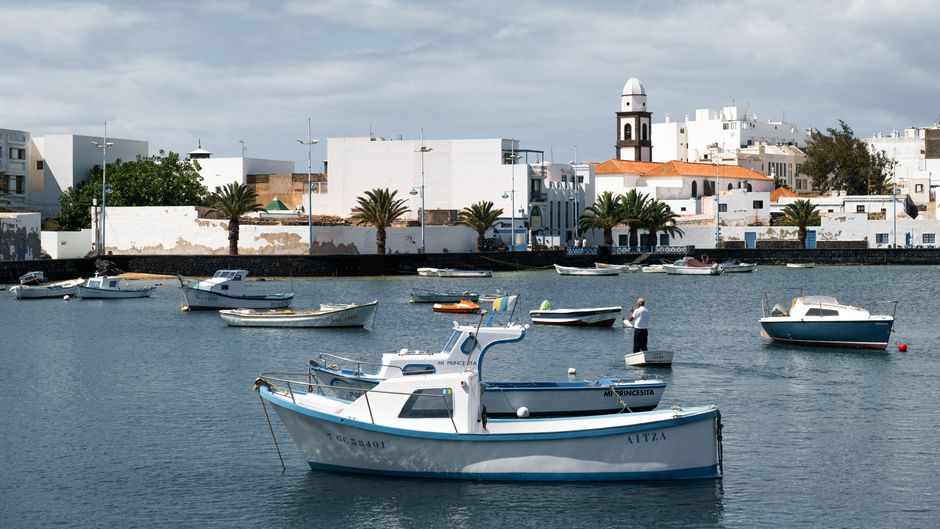
These spots aren’t secret because locals hide them, but because they're 20 to 40 minutes from most tourist accommodations, so many visitors never reach them. That simple fact is the main difference between eating poorly and eating brilliantly on this island. Our fifteen things only the locals know follow the same logic.
Lunch in the vineyards: the bodega tables of La Geria
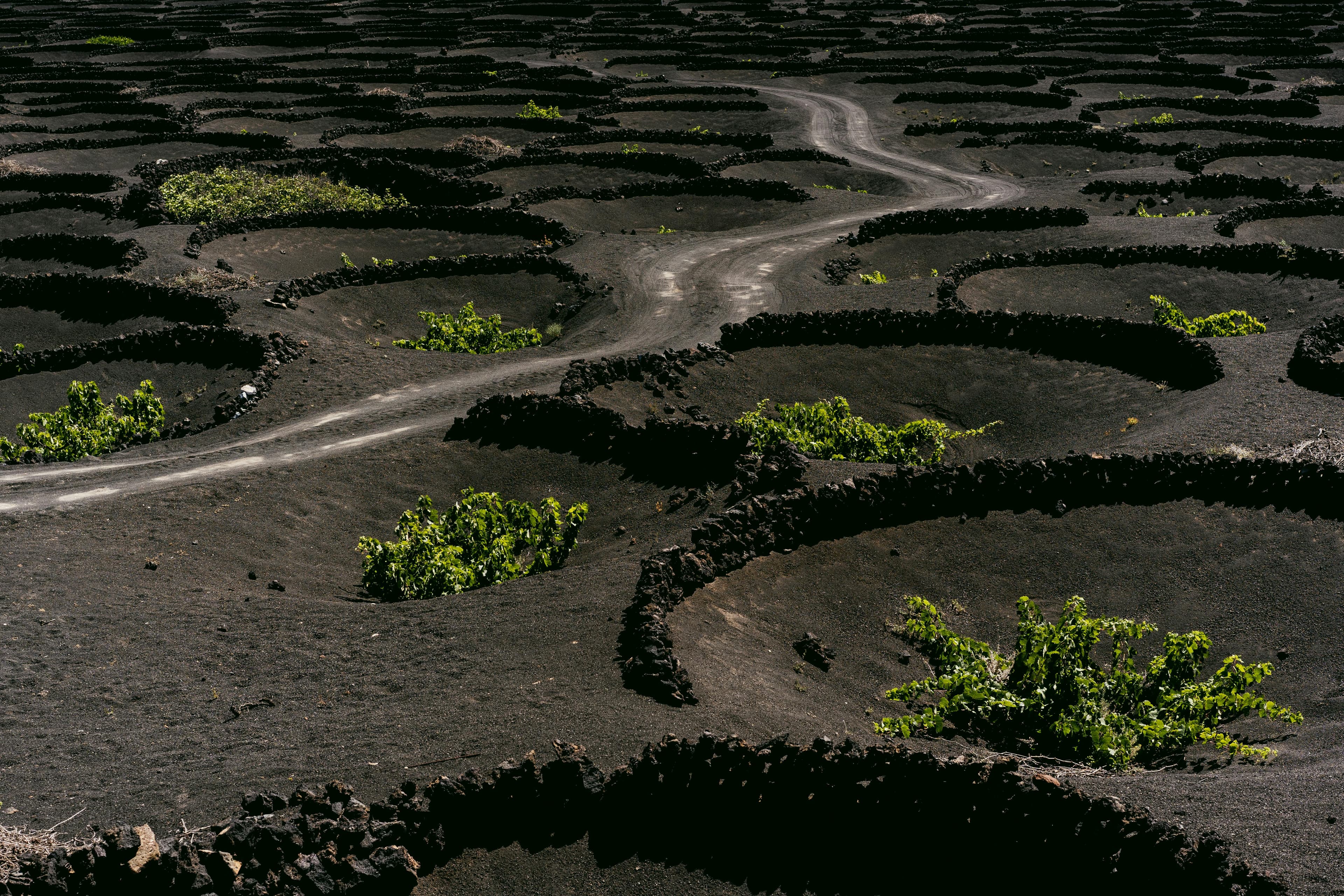
The quintessential Lanzarote meal is lunch in La Geria, where vines grow in pits dug into black volcanic ash, each sheltered by a crescent wall of stone. Several bodegas have restaurants, and dining there with the unique lunar landscape before you, sipping malvasia grown just metres away, is something you'll remember long after your trip.
The food is straightforward Canarian: goat, grilled cheese with mojo, cod, slow-cooked meats, and locally grown vegetables. It's not about culinary fireworks; it's about pairing authentic local food with a unique wine and the landscape that produced them. Some bodega dining rooms cater to busloads of tourists, but a few cater to those who truly appreciate good food. Choosing wisely is key, and our guide to the secret bodegas of La Geria helps you do just that, highlighting family-run spots that welcome by appointment and never see a tour bus.
A vineyard lunch is a natural break during a day in the volcanic south, between an early morning at Timanfaya and an afternoon by the coast. Our complete guide to the volcanoes of Lanzarote includes La Geria and its bodega tables in its southern route.
Best restaurants in Puerto del Carmen
Puerto del Carmen, the island's oldest and largest resort, often gets an unfair rap for food. While the main strip is predictable, the town boasts the highest concentration of genuinely good restaurants on the island, including its fine-dining scene. The Old Town harbour at the eastern end offers a completely different experience from the strip.
The Old Town (Puerto del Carmen viejo). The original fishing harbour, at the far east, where boats still dock and the fish restaurants around the port serve what they catch. This is the spot for seafood in Puerto del Carmen, not the main avenue.
The fine dining. Puerto del Carmen is home to the island's most ambitious kitchens, ideal for anniversaries or serious dinners. Kentia Gourmet Club and Lani's are the top names locals mention for a tasting-menu evening. They get busy in high season, so book ahead.
Matagorda. Just east of the centre, this quieter area has a loyal local following and some of the best-rated restaurants for value.
Best restaurants in Playa Blanca and Marina Rubicon
Playa Blanca, at the island's southern tip, is where much of the high-end accommodation is found, and the dining reflects this. The town front has typical resort restaurants, but two things stand out: the Marina Rubicon and the nearby villages.
Marina Rubicon. The upscale marina at Playa Blanca's edge, with restaurants overlooking yachts and water. It's the most polished dining setting in the south, perfect for a leisurely lunch, sunset drinks, or the Wednesday and Saturday market. It’s ideal for an occasion without leaving Playa Blanca.
Yaiza and Uga, inland. These two whitewashed villages just up the road have won more beautification awards than the entire coast and offer better food than the beachfront. La Casona de Yaiza is the kind of village restaurant worth the ten-minute drive alone. This is where we'd recommend going from Playa Blanca before the marina.
Femes, above it all. The mountain village on the ridge behind Playa Blanca, offers grilled meats and a view stretching down the southern coast to Fuerteventura. It's a local Sunday favourite.
Best restaurants in Costa Teguise and the centre
Costa Teguise, built north of Arrecife, is quieter than Puerto del Carmen and has a select few restaurants that cater more to residents than tourists, tucked away from the main pedestrian areas. It rewards those who explore beyond the sea view spots.
The real treasure, however, lies inland. Teguise, the old capital, and the central villages host several eateries that cater to locals: places with no sea views, no English signs, and dining rooms full of Canarian families enjoying Sunday lunch. If you want to know where locals eat, it's more often a village in the heart of the island than a coastal spot.
Is there fine dining and are there Michelin restaurants in Lanzarote?
There are two honest answers to this question, often asked by serious foodies. Firstly: yes, Lanzarote offers genuine fine dining, mostly found in Puerto del Carmen and in the high-end hotels of Playa Blanca. There's a growing movement of chefs creating modern Canarian dishes using local volcanic produce and Atlantic fish. Secondly: the island doesn't currently have a full Michelin star, but several restaurants are featured in the Michelin Guide, which you should consider if you're after a star-quality evening.
What Lanzarote excels at isn't the formal temple of gastronomy, but the high-quality basics. A simple grilled fish at a harbour in El Golfo, a goat stew at a bodega in La Geria, or a plate of the island’s cheese can be as memorable as any tasting menu. Our advice to food lovers is to spend one evening at a fancy restaurant and the rest of the trip eating where the locals do. You'll remember the latter type of meal for much longer.
What to order, wherever you sit
The island has a few must-try items because they are grown, caught, or made locally. Learn these, and you'll eat well anywhere from a harbour shack to a fine dining restaurant.
Papas arrugadas con mojo. Small potatoes grown in volcanic soil, boiled in heavily salted water until the skins wrinkle, served with red mojo (a mild pepper and garlic sauce) and green mojo (coriander sauce). This dish defines the Canaries.
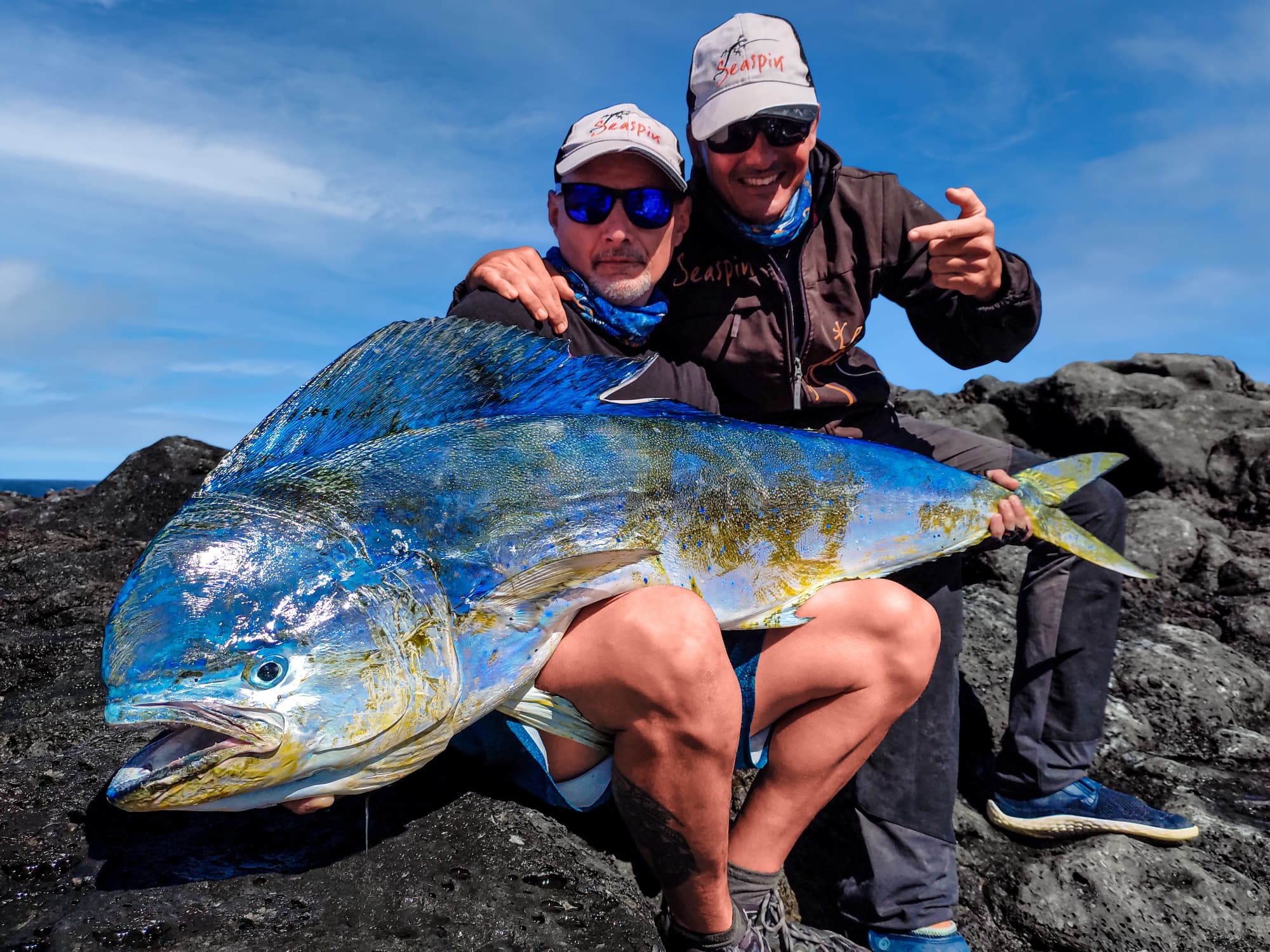
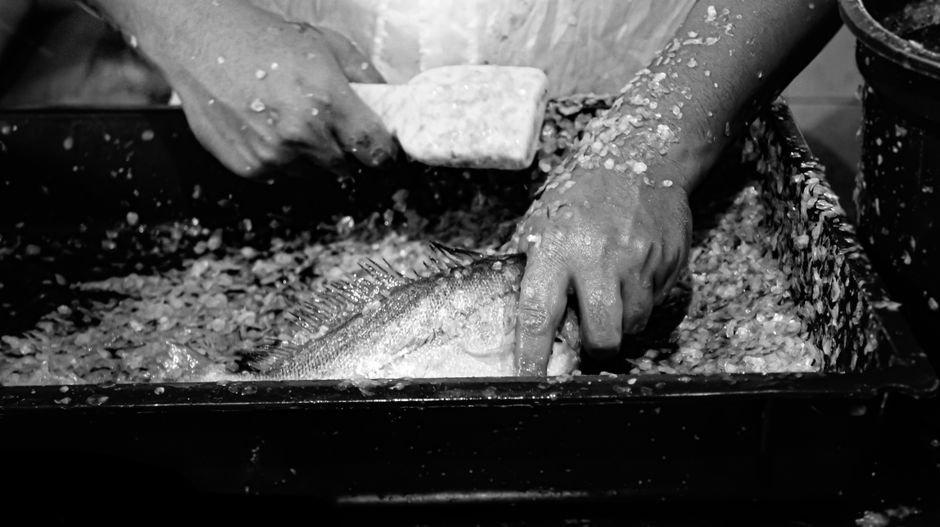
The catch of the day. Vieja, cherne, sama, or whatever is fresh. Ask for what's just been caught and have it grilled—this is the whole point in the fishing villages.
Queso de cabra asado. Grilled local goat cheese, often served with mojo or fig jam. Lanzarote and neighbouring Fuerteventura produce some of Spain's best goat cheese.
Malvasia volcanica. The island’s signature wine, grown in La Geria’s ash, dry and mineral or off-dry. A glass of this turns any lunch into a local experience.
Sancocho and puchero. Canarian salt-fish and slow-cooked stews found in village restaurants on weekends, rarely on tourist menus.
The one meal we would tell you to skip
To be blunt: the restaurants with a host outside waving a menu at you, the ones with photos of every dish and translations in five languages, are the one meal on the island we suggest skipping without hesitation. They exist to catch visitors who haven't read this far, and they’re why some leave thinking Lanzarote's food is average. It's not. It's just a twenty-minute drive away, in a village, run by the owner's family.
How we handle the table for our guests
You can explore all of the above on your own with a hire car, a willingness to drive to dinner, and a few reservations made in Spanish. The hassle-free version is what we offer at Lanzarote Untold: a table reserved at the harbour restaurant where the owner knows us, a bodega lunch in La Geria booked with the winemaker, not the coach desk, a private driver so everyone can enjoy the island's wine, and a fine-dining reservation made before it books up for the week. For guests wanting a food-focused trip, we create private gastronomy days: the fishing village, the vineyard lunch, the market and cheese, all tailored to your tastes.
Our private experiences range from a single long lunch to a full food-led week, drawing on the same tables mentioned in this guide. Browse our experiences catalogue for wine and gastronomy days, or write to us with your dates and dining preferences, and we’ll send a proposal the same day.

Frequently asked questions
What are the best restaurants in Lanzarote?
It depends on what you’re after. For the freshest seafood, head to the fishing harbours: El Golfo on the west coast for the views, Arrieta in the north, and Casa Rafa in Arrecife for a special occasion. For the most authentic Lanzarote lunch, a bodega dining room in La Geria with a glass of wine grown beside your table is unbeatable. For an ambitious dinner, the fine-dining kitchens of Puerto del Carmen are the way to go. The common thread among the island's best tables is that they're almost never on the main tourist fronts.
Where do the locals eat in Lanzarote?
Locals dine in fishing villages and inland rather than on tourist strips. They head to the harbours for fish (El Golfo, Arrieta, Arrecife, the Old Town in Puerto del Carmen), to bodegas in La Geria for leisurely weekend lunches, and to the village restaurants in the centre, Teguise, Yaiza, Uga, Femes, for Sunday meals not found on holiday menus. Generally, the further you are from a beach promenade, the better and more affordable the food.
Are there any Michelin star restaurants in Lanzarote?
At present, Lanzarote doesn’t have a full Michelin star, but several restaurants are included in the Michelin Guide, and there is genuine fine dining in Puerto del Carmen and the high-end hotels of Playa Blanca. If a star-level evening is important to you, check the guide's current listings for Lanzarote and book well in advance, as the ambitious kitchens are small and popular in season.
What are the best restaurants in Puerto del Carmen?
Puerto del Carmen offers the widest range on the island. For seafood, head to the Old Town harbour at the eastern end instead of the main strip. For a special dinner, the town hosts the island's leading fine-dining kitchens, popular for tasting-menu evenings, and nearby Matagorda boasts some of the best-value, best-rated restaurants. Remember to reserve ahead during high season.
What are the best restaurants in Playa Blanca?
Marina Rubicon offers the most polished setting, with restaurants around the yachts, perfect for a leisurely lunch or a sunset dinner. However, the better food is often just inland: La Casona de Yaiza and the village restaurants of Yaiza and Uga, just ten minutes away, and Femes on the ridge for grilled meat with a view down to Fuerteventura. Playa Blanca is also where much of the island's high-end hotel dining is concentrated.
What food is Lanzarote known for?
Lanzarote is famous for papas arrugadas con mojo (wrinkled volcanic potatoes with pepper and coriander sauces), fresh Atlantic fish simply grilled, grilled local goat cheese, the slow-cooked stews sancocho and puchero, and especially the malvasia volcanica wine grown in La Geria's black ash. It's simple, produce-led cuisine, its quality stemming from exceptional local ingredients rather than complex techniques.
Do you need to book restaurants in Lanzarote?
For everyday harbour and village restaurants, usually not, though the best fish spots in El Golfo and Arrieta can fill up for sunset in high season. For fine-dining restaurants in Puerto del Carmen and bodega lunches in La Geria, it’s best to book ahead, especially from October to April and around holidays. If you’d rather not worry about making reservations in Spanish, it’s something we can arrange for guests.
Can you build a trip around food in Lanzarote?
Absolutely, and it’s one of the island’s strengths. A food-led day pairs naturally with the landscape: a fishing harbour for lunch, a bodega in La Geria for wine, the Teguise or Arrecife market for cheese and produce, and an ambitious dinner to conclude. We organise these as private gastronomy days with a driver, booked tables, and a route tailored to your taste. Tell us how you like to eat and we’ll design one around your dates.
Eat where the island eats
The feedback we receive from guests is always the same. Nobody remembers the restaurant on the front with the menu in five languages. They remember the grilled fish at the harbour in El Golfo as the sun set, the winemaker in La Geria who opened a bottle not on the list, the goat cheese in a village whose name they never quite caught. Eating well in Lanzarote isn’t about spending more; it’s about choosing the right door to walk through, and all the good doors are just a short drive from the crowd.
The island grows and catches almost everything it serves, and it has done so for centuries in some of Europe’s most challenging farming conditions. Eat the way the locals do—in the harbours, the vineyards, and the villages—and food will become one of the reasons you return. And on this island, people always do.