What Locals Wish Cruise Passengers Knew About Lanzarote (Before They Book That Bus Excursion)
Every winter, hundreds of thousands of cruise passengers and day-trippers step off their ships in Lanzarote with eight hours on the clock, a shore-excursion brochure in hand, and a fifty-seat coach waiting on the quay. Most will visit the camel queue at Timanfaya, the tourist marina at Puerto del Carmen, and have a rushed lunch at a restaurant that thrives solely on cruise bus stopovers. They will return home with hundreds of similar photos and the impression that Lanzarote is just a volcano with a gift shop.
Locals have a different itinerary. It’s not secretive or complex. It's just what a local would suggest if a friend called and said they had eight hours to see the real Lanzarote. The route skips the camel ride and the all-inclusive bus. It costs less than you might think and offers moments you won't find in a brochure.
This guide is for cruise passengers docking at Arrecife, day-trippers arriving at Playa Blanca port from Corralejo, and anyone with a single day on Lanzarote who wants to make the most of it. Some of this advice might annoy those running bus tours, but that's kind of the point.
The Hidden Cost of the "Free" Shuttle
Let's do the maths. A typical cruise excursion to Timanfaya National Park lasts around six to seven hours from the time your group is called to when the bus drops you back at the terminal. Of that, you'll spend about two hours travelling between spots, forty minutes queuing to get into Timanfaya behind other coaches, another forty minutes waiting for the bus's departure slot, and roughly twenty minutes per stop actually seeing anything. The longest stop is usually lunch, which the bus is contracted to take you to, and it’s rarely the meal you'd have chosen.
The "free" shuttle from Arrecife cruise terminal into town is genuinely free, and that's fine. The hidden cost emerges later. The shuttle drops you at the seafront, which is convenient for a stroll around Charco de San Ginés and a coffee. But if you want to explore Lanzarote, it's inconvenient because every interesting spot is a fifteen to forty-five-minute drive from where the shuttle leaves you, and from there, every minute can be lost to taxis, queues, or the wrong bus stop.
A private driver who knows the island costs less per person than a ship excursion when shared among two or four guests, and they’ll save you the two hours the coach wastes. This decision is the most significant you'll make about your day, and most people make it without realising.
What Your Ship's Excursion Brochure Won't Tell You About Timanfaya
Timanfaya National Park is definitely worth a visit. It's also the most efficiently bottlenecked experience on the island. The park is in a protected lava field, accessible only via a closed bus route, with a single restaurant at the summit and a small interpretation area at the entrance. The route is fantastic, but the wait to start it is the issue.

Coaches arrive in waves between 10:30 and 13:30, which is precisely when a cruise excursion hits. The visitor centre car park fills up, the entrance queue stretches over the lava, and the heat demonstrations (where rangers ignite brush in a fissure) perform for whichever group is in front. By the time a coach passenger has queued, ridden the route, queued again for the restaurant, and queued a third time for the toilet, two and a half hours have passed, leaving the rest of the island untouched.
The local approach is simple. Arrive at Timanfaya before 10:00 or after 14:30. These times exist because cruise buses can’t fit them into their schedules. Visiting during these windows gives you the lava field to yourself, the bus route without the queue, and the chance to skip the summit restaurant and eat properly elsewhere. A private driver can arrange this effortlessly. Ship excursions can't because they have to stick to the coach schedule.
For a full understanding of why Timanfaya is special and how to see it properly, check out our complete guide to Lanzarote volcano tours, which covers the geology, the 1730 eruptions that shaped the landscape, and the routes locals use to see the park properly.
If Your Ship Docked at Arrecife
The cruise terminal at Arrecife is the Muelle de los Mármoles, on the eastern edge of the city. Smaller vessels sometimes dock at Puerto Naos closer to the centre, but large ocean cruises almost always dock at Mármoles. The walk from the terminal to the heart of Arrecife (Charco de San Ginés, the old market quarter, the Manrique-designed Castillo de San José) takes about twenty minutes along a coastal walkway that’s pleasant enough when the weather is calm and unpleasant when it’s not.
The free cruise shuttle covers the same route in five minutes and drops you near the Gran Hotel on the seafront. Taxis from the terminal queue outside arrivals and cost roughly five to seven euros into town. None of this is particularly exciting, yet the choice you make in the first thirty minutes of your day sets the tone for everything else.
Here’s how to spend eight hours from Arrecife wisely:
9:30 to 11:30: Drive north to Famara, walk the long beach beneath the Risco de Famara cliffs, and stop for coffee at one of the village's surf cafés. The morning light here is why photographers flock to Lanzarote. Most coach tours never reach Famara because the road is narrow and the village lacks large coach parking.
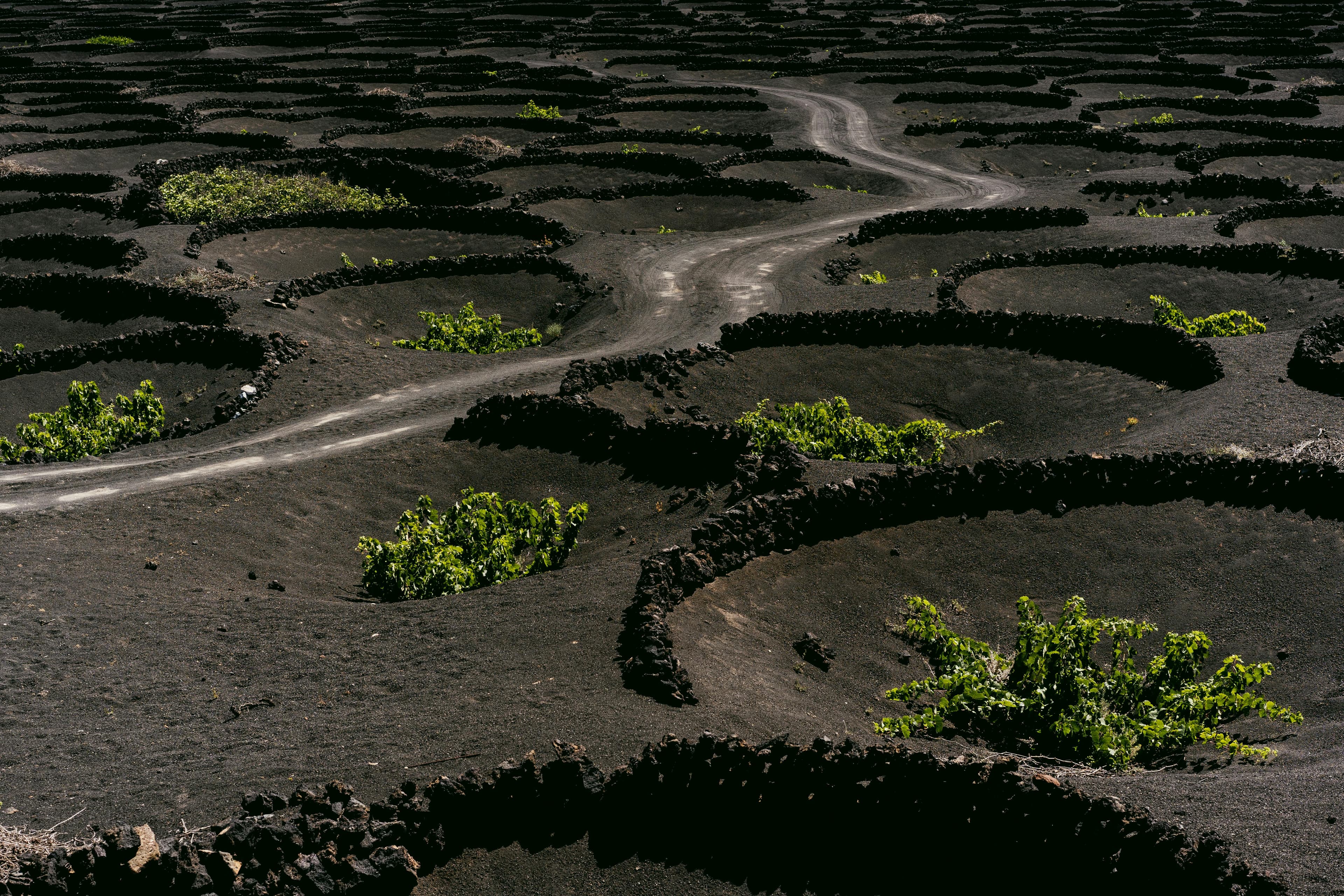
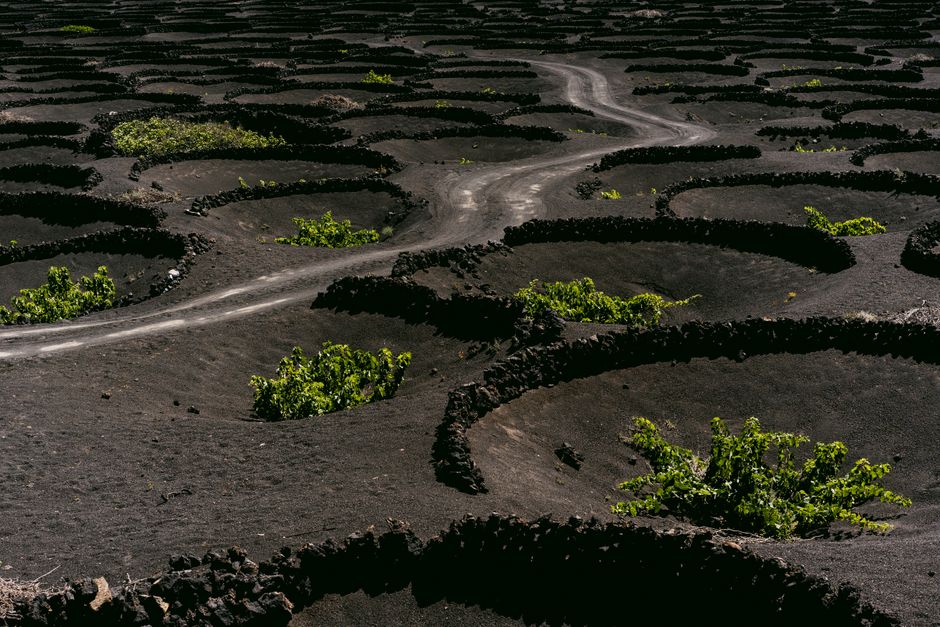
11:45 to 13:30: Loop south through the wine country. La Geria is the protected viticultural area where vines grow in volcanic pits walled by half-moon stones. Drive the back road through Yaiza and stop at one of the smaller bodegas (not the large, signposted ones) for a tasting of malvasía volcánica.
13:45 to 14:30: Lunch in Yaiza or El Golfo. Enjoy grilled fish, papas arrugadas with mojo, and a glass of the wine you tasted an hour ago. Skip the marina restaurants in Playa Blanca and Puerto del Carmen. You didn’t come to Lanzarote to eat at a pier.
14:45 to 16:00: Visit Timanfaya during the post-14:30 window when the morning coaches have gone. Take the bus route around the lava field, witness the heat demonstrations, and enjoy the geological viewpoints. Without the queue, this is forty minutes well spent.
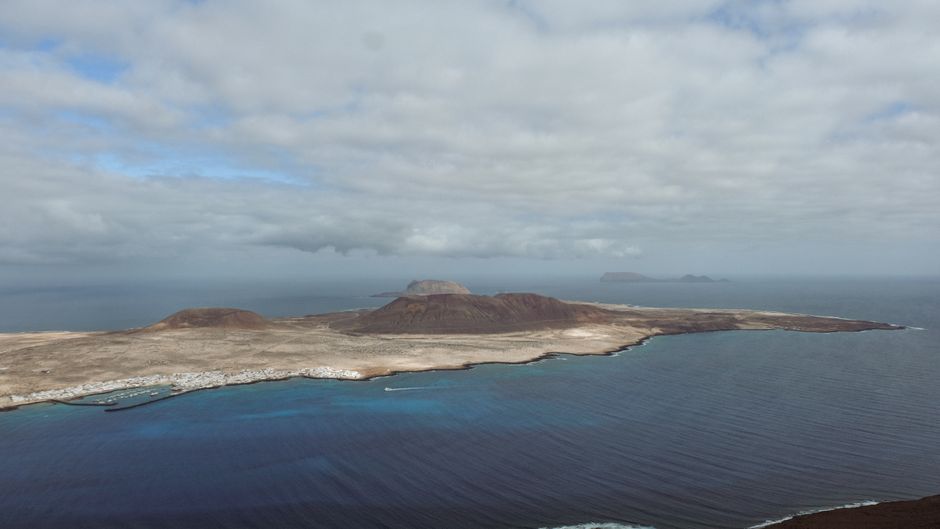
16:15 to 17:30: Drive back to Arrecife via Tías, with a stop at Mirador del Río if you have time. The Manrique-designed lookout on the northern cliffs has views over La Graciosa that are worth the half-hour detour even at the end of the day.
17:30: Back at the ship with twenty minutes to spare, having seen a version of Lanzarote that the brochure can’t organise.
This itinerary fits into eight hours because a driver who knows the island can move you between Famara, La Geria, and Timanfaya in around twenty-five minutes per leg, not the forty-five each that a coach takes by the time it has loaded and unloaded its passengers. The island is compact. The bus is what makes it feel large.
If Your Ferry Arrived in Playa Blanca
The Fuerteventura to Lanzarote ferry from Corralejo to Playa Blanca runs every thirty to ninety minutes throughout the day with Naviera Armas, Fred Olsen, and Líneas Romero. The crossing takes thirty to forty minutes depending on conditions. You arrive at the modern ferry terminal in Playa Blanca, which is at the very southern tip of the island, and you have a different geography to work with than a cruise passenger landing in Arrecife.
Two practical realities shape the day. First, you are an hour’s drive from Timanfaya and an hour and a half from Famara, making a north-coast loop tight inside a day-return ferry window. Second, you are ten minutes from Papagayo, fifteen from El Golfo, and twenty from the heart of La Geria, making the southern half of the island your natural territory.
The Playa Blanca marina itself is what most ferry day-trippers see, and it's not why you crossed the strait. The marina has restaurants, shops, a promenade, and a slow Mediterranean charm that’s fine for an afternoon but not what makes Lanzarote unique. Walk through it on your way somewhere, not as the destination.
An eight-hour day starting from Playa Blanca port that makes the most of the geography:
10:00 to 11:30: Head to the Papagayo coves. Six small bays separated by volcanic headlands, with Fuerteventura visible across the channel. Arrive before the day-boat crowds and you have the third or fourth cove largely to yourself. Bring shoes; the path is volcanic gravel.
11:45 to 13:15: Visit El Golfo and the Charco de los Clicos. The green lagoon behind a black-sand beach inside a half-collapsed crater. Walk the headland, photograph the colour contrast, then drive five minutes north to the village of El Golfo for a meal at a small fishermen’s restaurant offering locally caught fish on a tablecloth that's seen decades of service.
13:30 to 14:30: Lunch at El Golfo or Yaiza. Locally landed fish, papas arrugadas, the same volcanic wines you'll taste an hour later. Every version of this lunch beats the Playa Blanca marina chains, and none costs more than thirty euros per person.
14:45 to 16:00: Explore La Geria wine country. A drive through the volcanic vineyards and a tasting at one of the family bodegas. The wines are unlike anything else in Spain, grown in pits dug through metres of volcanic ash, and a tasting takes forty-five minutes and tells you much about how the island sustains itself.
16:15 to 17:15: Return to Playa Blanca for the late-afternoon ferry. Time for a swim at Playa Dorada or a quick stroll along the Playa Blanca promenade if you wish, then board the ferry.
The pattern is the same one cruise passengers should follow. Use a private driver, not the local bus, and not a rented car you’re unfamiliar with. The roads are straightforward, but the time you spend orienting yourself is time you don't have on a one-day return.
The Four Places Worth Your Morning
Eight hours are enough for four locations if chosen wisely. These four consistently reward the visit.
Famara
The long sandy beach beneath the Risco de Famara cliffs on the north-west coast. Three kilometres of open Atlantic, a cliff wall behind, the small island of La Graciosa across the strait. The village has a handful of surf cafés and almost no hotels. The light in the morning, with the cliffs in shadow and the dunes already lit, is the most photographed spot on the island for a reason. Coaches don’t come here because the road in is narrow.
La Geria (the back road, not the main one)
The wine country runs along the LZ-30 between Uga and the village of Masdache. The main road is fine. The back road through the vineyards (smaller turn-offs you take after Uga heading north-east) takes you past the volcanic pits that define the region, with the cone of the Montaña de Tinasoria rising behind. Stop at a bodega the coaches don’t visit, taste two wines, and buy a bottle if you like one. We cover the bodegas worth visiting in our guide to Lanzarote's secret bodegas.
Mirador del Río (before 11:00 or after 16:00)
César Manrique's cliff-top lookout on the northern tip of the island. From the terrace, La Graciosa and the Chinijo archipelago sit a few hundred metres below across the channel. The structure itself is built into the cliff face and is one of Manrique's best-realised pieces of architecture. Coaches arrive between 11:30 and 14:30. Outside those hours, the place is yours.
Timanfaya (early or late)
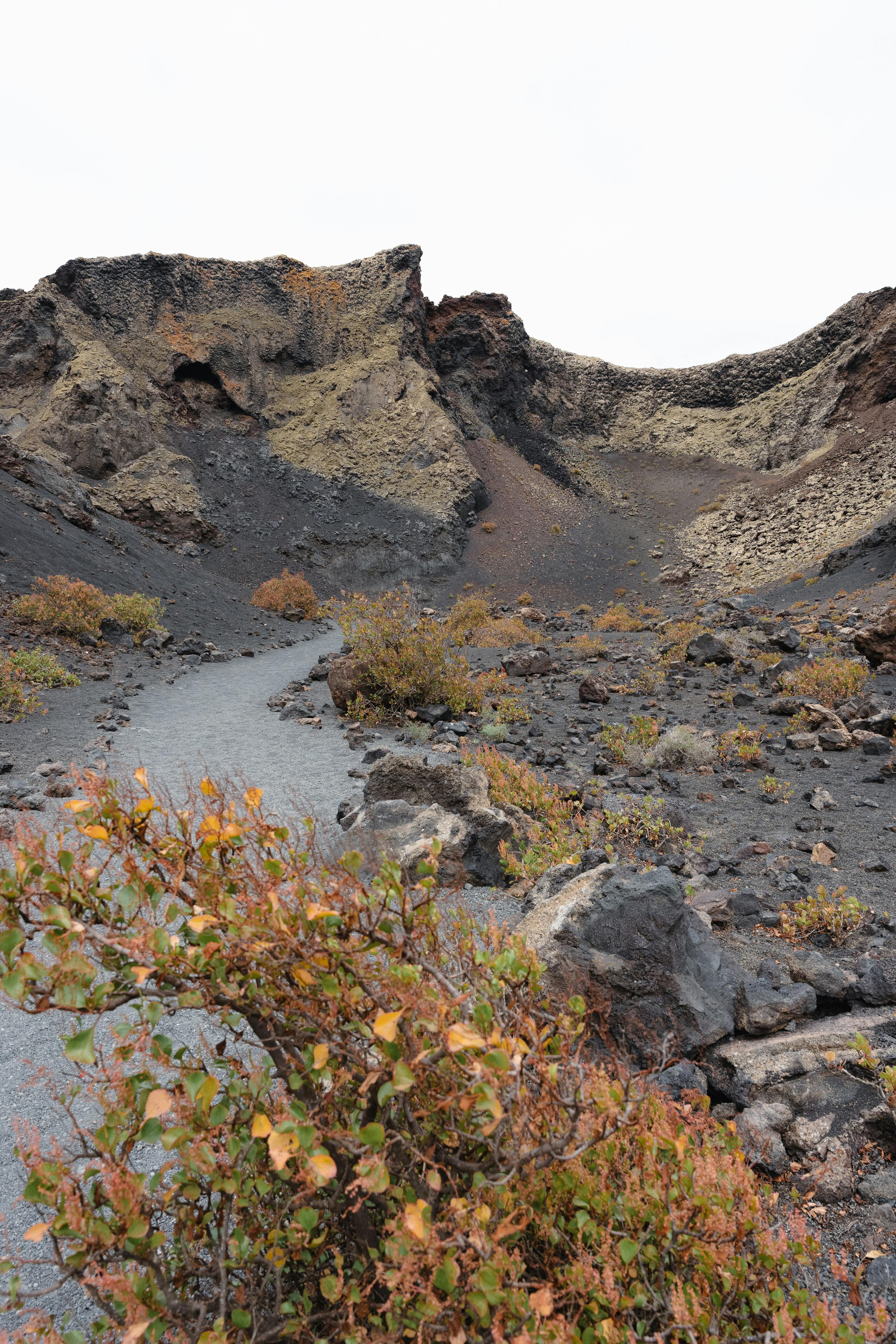
The volcanic park is a landscape like no other in Europe. The route around the Montañas del Fuego takes forty minutes, the heat demonstrations are impressive, and the bare lava fields from the 1730 eruptions look as if they were formed yesterday. Visit either before 10:00 or after 14:30 for a queue-free experience. Visit between those hours and you'll mostly be looking at the back of a coach.
The Four Places to Skip (and Why)
This part might ruffle some feathers. The list is not personal; it’s just honest.
The Camel Ride at Timanfaya
You’ll see a row of camels saddled in pairs at the southern entrance to the park, and a coach queue stretching out from them. The ride is fifteen minutes, single-file, up a short volcanic slope and back down. The welfare picture has improved in recent years, but the experience itself is a fifteen-minute photo opportunity for which you queue forty minutes. You didn’t fly to Lanzarote for that.
Aqualava Waterpark
Playa Blanca's waterpark is fine if you’re staying on the island with children for a week and have a slow afternoon to fill. It’s not what you came for if you have eight hours total. You can find a waterpark anywhere. You can’t find a volcanic vineyard anywhere else.
The Drag Dinner Show
There’s a long-running cabaret dinner show in Puerto del Carmen that ships sell as an "evening experience". It is what it is, and some people enjoy it, but it has nothing to do with Lanzarote. It’s a generic format found in every tourist resort in southern Europe. Instead, eat at a fishermen’s restaurant in Arrieta or Caleta de Famara.
The Marina Chain Restaurants
The marinas at Puerto del Carmen, Costa Teguise, and Playa Blanca have restaurants serving pizza, pasta, fish and chips, and tourist paella with photos on laminated menus. They exist because cruise day-trippers wander into them. They’re not bad in any specific way. They’re simply not the food the island is capable of producing. Drive ten minutes inland and eat at a venta or a fishermen’s restaurant instead.
The Wine Nobody Tells You About
Volcanic wine is the part of Lanzarote that bus tours touch upon and then leave. The coaches stop at the largest signposted bodega in La Geria, the one with the souvenir shop and parking for two coaches, and pour visitors a small glass of something forgettable. This is not the wine that locals drink.
The malvasía volcánica grape, grown in pits walled with zocos (half-moon volcanic-stone walls that catch the wind), produces a white wine unlike anything else on earth. The best examples are mineral, slightly saline from the soil, with a structure closer to a fine Galician albariño than to a generic Mediterranean white. The producers worth seeking out are family bodegas that bottle in quantities too small to export, who sell most of what they make to local restaurants, and who open their tasting rooms by appointment rather than to the bus circuit.
A forty-five-minute tasting at a family bodega, with the winemaker discussing the volcanic soils and the vintage you're drinking, is an experience visitors remember for years. It costs less than a coach excursion and is the part of the island the brochures can’t package. We cover the bodegas worth visiting in our complete guide to Lanzarote's secret bodegas, including those that don’t accept walk-in visits.
How to Leave with One Perfect Photo, Not Two Hundred Average Ones
Cruise passengers go home with full camera rolls, half of which are the back of someone else’s head. The way to leave with a small set of images you’ll actually look at again is simple: pick three locations, time them correctly, and stop trying to photograph everything in between.
Famara beach in the late morning, with the cliffs catching shadow and the surf line picking up the light, offers the cleanest landscape photograph on the island. Mirador del Río around 17:00, with La Graciosa across the channel, is the cliff-edge shot that justifies the drive north. The vineyards of La Geria in early afternoon, when the volcanic black ash and the green vines create a striking contrast, give you the image that explains why Lanzarote looks like nowhere else.
Three photographs. Two hours total setting them up. The rest of the day spent seeing the island rather than through a viewfinder. This is the trade visitors who return always make.
How a Local Runs the Day for a Visiting Friend
If we picked you up at the cruise terminal in Arrecife or at the ferry quay in Playa Blanca, the day would look like the itineraries above, with a few tweaks from years of experience. We’d call ahead to a family bodega so the winemaker is expecting you. We’d time the day to cross Timanfaya in the post-14:30 window. We’d choose a restaurant where the owner knows us, meaning the fish on your plate was caught in Arrieta at sunrise. We’d drop you back at the terminal forty minutes before sailing, without cutting it fine.
This is what Lanzarote Untold's private day experiences offer for cruise and ferry day-trippers. A private vehicle with a driver who knows the island, an itinerary built around your interests (wine, photography, hiking, food, or a balance of all four), and a guaranteed return to the port in time for departure. Groups of one to four pay a flat rate that works out cheaper than a comparable per-head ship excursion once you include lunch and the wine tasting.
For visitors who want a broader picture of what the island offers beyond a single day, our guide to the things locals actually recommend covers experiences worth a second trip, and our full catalogue of curated experiences covers longer formats: multi-day itineraries, sailing along the volcanic coast, private bodega evenings, and days that are worth the entire flight.
Frequently Asked Questions
Where exactly does the cruise ship dock in Lanzarote?
Large ocean cruises dock at the Muelle de los Mármoles, the deep-water cruise terminal on the eastern side of Arrecife. Smaller vessels sometimes berth at Puerto Naos, closer to the city centre. From either terminal, the city centre is fifteen to twenty minutes on foot or five minutes by taxi or the free shuttle that most lines run to the Gran Hotel.
Can I walk from Arrecife cruise port to the city centre?
Yes. The walk from Muelle de los Mármoles to Charco de San Ginés is about a kilometre and a half along a coastal walkway, twenty to twenty-five minutes at a normal pace. It’s pleasant in calm weather and uncomfortable when the wind picks up, which it often does on the eastern coast. Most cruise lines offer a complimentary shuttle.
How long does the ferry from Fuerteventura to Lanzarote take?
The Corralejo to Playa Blanca crossing takes thirty to forty minutes depending on the operator and sea conditions. Naviera Armas, Fred Olsen, and Líneas Romero each run multiple departures throughout the day. Tickets are usually available on the morning of travel for foot passengers; vehicle bookings are best made in advance.
Is one day enough to see Lanzarote?
Not to see all of it. But it’s enough to see four locations properly with a private driver who knows the island, which is more than most week-long visitors manage because they spend their week at a single resort. A well-planned one-day visit gives you a clearer picture of the island than a lazy week, and it sets the standard for a good day-trip.
Should I book a private driver in advance or take a taxi on arrival?
Book in advance. Taxis at the cruise terminal queue for short trips into Arrecife and aren’t set up for full-day island tours; the price by the meter for a full day is higher than a pre-booked private day rate, and the driver won’t be able to plan around opening hours, bodega appointments, or the Timanfaya window. Booking a private day in advance also ensures you’re back at the port in time for sailing.
What does a private day on Lanzarote from the cruise port cost?
For one to four guests, our private day-trip experiences from the Arrecife cruise terminal or Playa Blanca ferry port include a private vehicle and driver, a route tailored to your interests, a tasting at a family bodega, dining recommendations, and timed entry to Timanfaya outside the coach window. The flat rate is cheaper than the per-head equivalent of a standard ship excursion for a group of two or more, and the experience is in a different league. Contact us with your ship's date and arrival time and we'll send a proposal the same day.
What should I pack for a day off the ship in Lanzarote?
Closed shoes suitable for walking on volcanic gravel, layers (mornings are cool and afternoons warm, and the wind on the cliffs can be cutting), sun protection, water, and a small bag for the bottle of wine you might end up bringing back to the ship. Sandals are fine for the marina but not useful at Papagayo or Famara, where the ground is broken volcanic rock and dark sand.
Can you arrange a private day for a small group from the same cruise?
Yes. We run private days for groups of one to twelve, with multiple vehicles where the group exceeds four. The most common booking is two couples sharing a single vehicle, which offers the best cost per head and intimacy. Send us your ship and arrival window and we’ll confirm a vehicle and route for your dates.
A Final Word on the Bus
The ship excursion has its place. If you’re travelling alone, want a fixed price, and don’t particularly mind which Lanzarote you see, the coach will deliver a perfectly adequate day. It won’t be a bad one. It will just be the same one that fifty other people on the same coach are also having.
If you didn’t cross the Atlantic for that, the alternative is simple. Choose four locations. Get a driver who knows the island. Eat where the fish was landed. Taste the wine at the bodega that doesn’t advertise. Leave with one good photograph rather than two hundred forgettable ones. Be back at the ship with time to spare.
The island will look like a different place by the end of the day. That’s because, without the bus in the equation, it is.