What to See in Lanzarote in 4 Days: The Itinerary a Local Would Plan for a Friend
Four days is the most common length for a trip to Lanzarote, yet many travellers miss out on the best bits. Typically, visitors spend the first day getting their bearings, the second queuing at Timanfaya at midday (the worst possible time), the third on a tour that feels more like a bus ride, and the fourth lounging by the hotel pool, exhausted. They leave thinking Lanzarote is pretty but small, never realising they missed what makes this island truly unique in Europe.
The good news is that four well-planned days are enough to see the whole of Lanzarote, without feeling rushed. The island stretches sixty kilometres from end to end, and no sensible drive takes more than fifty minutes. It's not the geography that makes it feel large, but poor planning: crisscrossing the island because the sights were chosen by reputation rather than by road.
This is the itinerary we locals share when a friend says they're coming for four days and want to experience the real Lanzarote. It works because it follows two simple rules: each day is spent in one part of the island, and the tourist hotspots are visited when the tour buses aren't around. The rest involves eating where we eat and letting the island work its magic.
The logic of the route before you start
Lanzarote can be divided into four zones. The volcanic south, with Timanfaya, La Geria and the El Golfo coast. Manrique's north, with Famara, Haría, the Mirador del Río and the Jameos del Agua. La Graciosa, the eighth island, just a twenty-five-minute boat ride from Órzola. And the Arrecife-Teguise axis, where you’ll find the island's history, art and authentic life. Each zone is a day in the itinerary.
Regarding transport, let's be clear from the start. The public bus system is set up for locals commuting, not for tourists wanting to see three places in one morning. Organised coach tours take you to the right places at the wrong times, packed with fifty others. That leaves two solid options: renting a car, which is fine if you’re okay with driving, navigating, and parking during your holiday, or hiring a private driver who knows the island. We recommend the latter to those who prefer to enjoy the landscape rather than the road. The cost difference per person is smaller than it seems, and the improvement to your day is significant.
Day 1: the volcanic south, or why this island exists
The first day answers the question that brings everyone here: what happened in Lanzarote. The short answer is that between 1730 and 1736, a quarter of the island was buried under lava, resulting in the most unusual landscape in Europe and a unique method of growing wine.
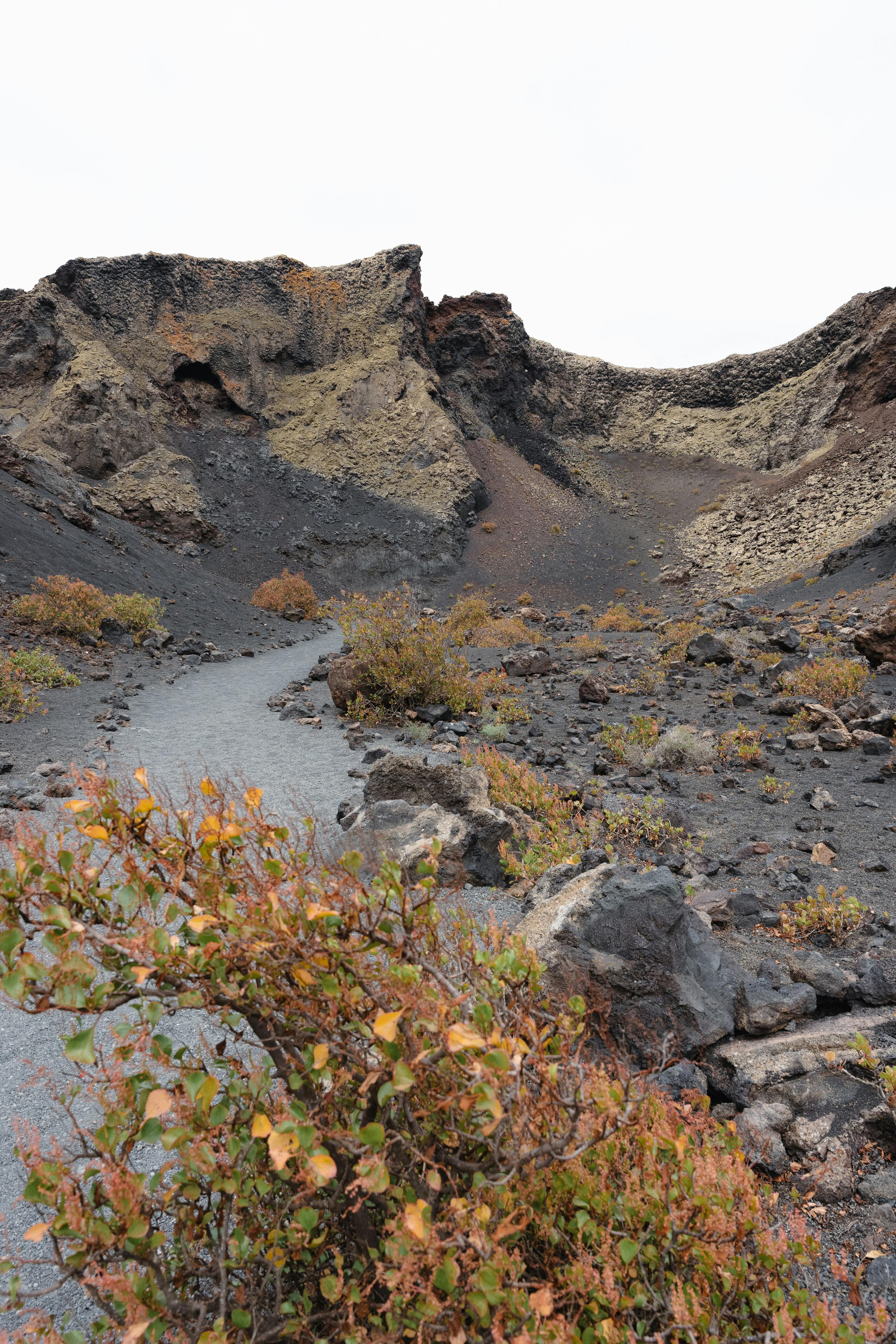
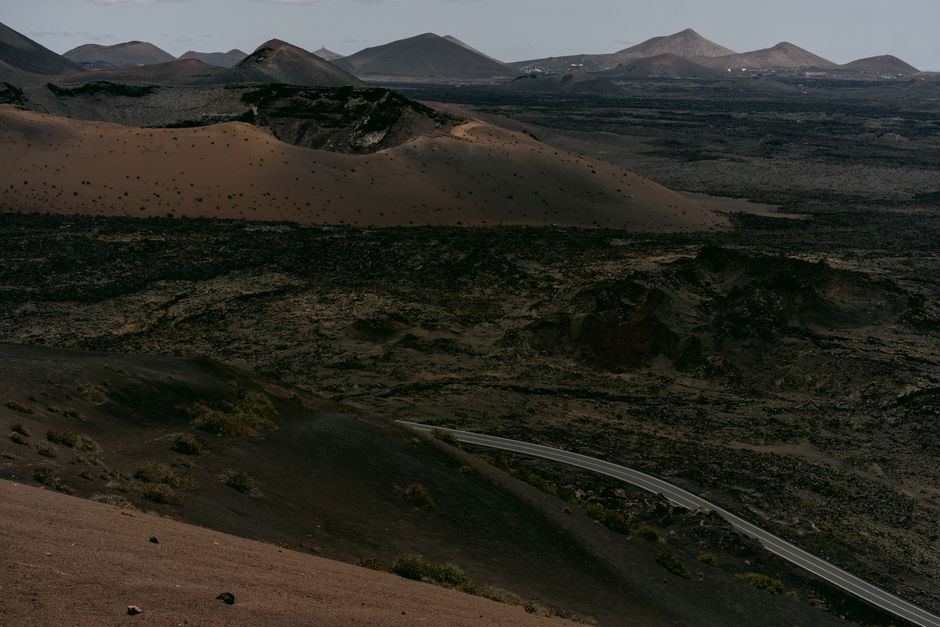
8:45 to 10:30: Head to Timanfaya as soon as it opens. The National Park gates open at 9:00, and the hotel and cruise coaches don’t arrive until 10:30. That hour and a half is your golden time: explore the Montañas del Fuego route without queues, watch the heat demonstrations from the front row, and enjoy the silence of the lava field. Arriving at 8:45 and waiting a few minutes at the entrance is the best investment of the whole trip.
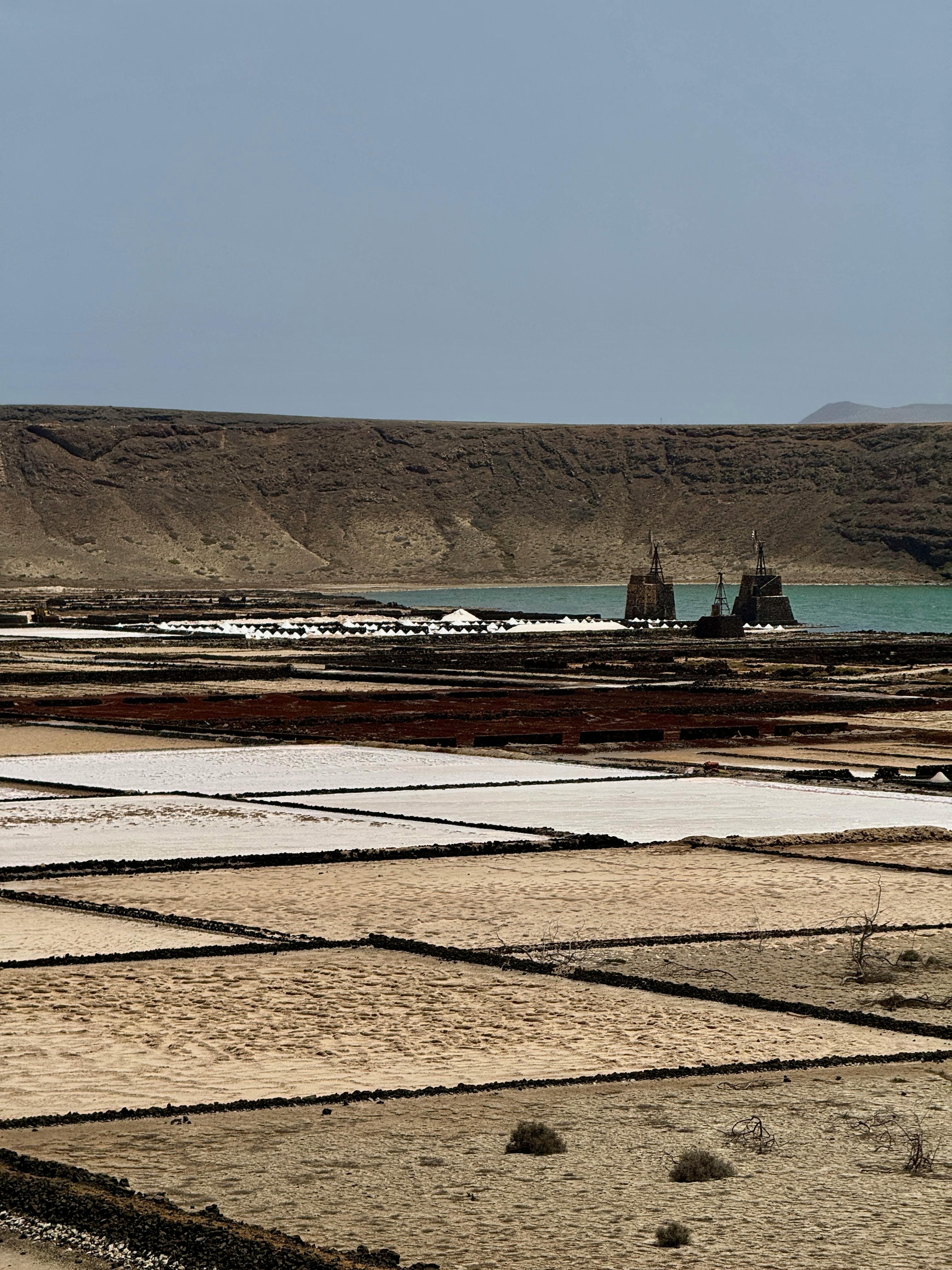
10:45 to 12:00: Visit Los Hervideros and the Janubio salt flats, heading down towards the coast. At Los Hervideros, the Atlantic crashes into lava caves, sending up columns of spray; with high tide and a westerly wind, it’s quite a spectacle. The salt flats, nearby, have been producing sea salt for over a century, creating a grid of pink mirrors that photos never quite capture.
12:15 to 13:00: Explore El Golfo and the Charco de los Clicos, the green lagoon inside a half-collapsed crater behind a black sand beach. It's a fifteen-minute walk to take that iconic photo of the contrasting colours, then head into the village.
13:00 to 14:30: Lunch in El Golfo, right by the sea, where the catch of the day was swimming just this morning. Enjoy grilled fish, papas arrugadas with mojo, and a glass of volcanic malvasía as a preview of the afternoon.
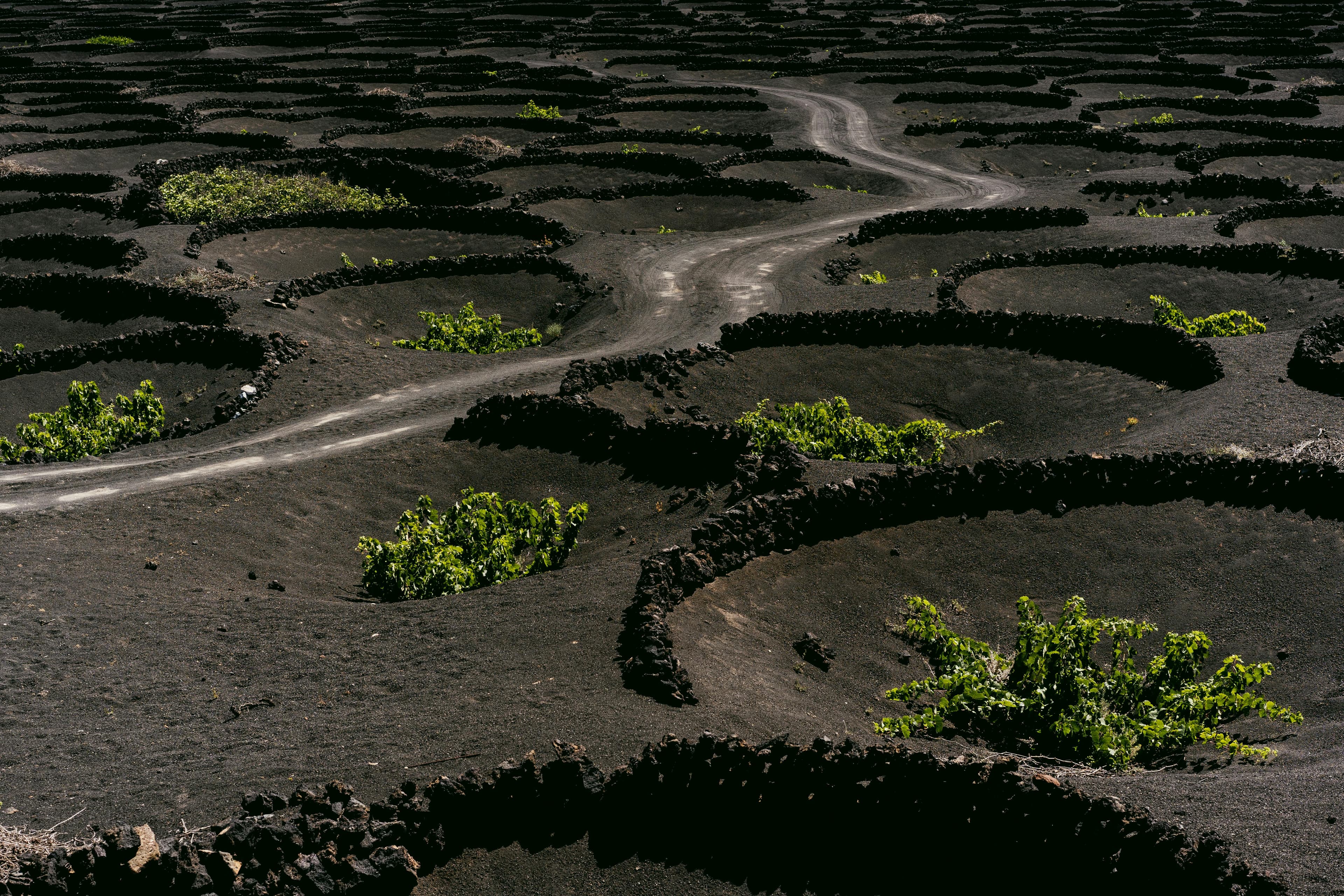
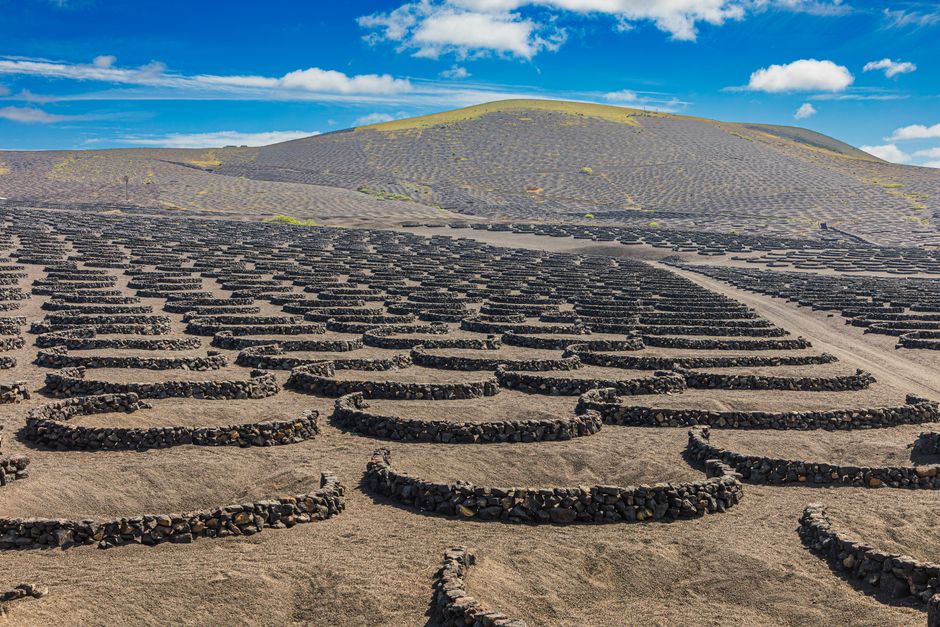
15:00 to 17:30: Spend a leisurely afternoon in La Geria. The LZ-30 road between Uga and Masdache winds through the valley where vines grow in pits dug into volcanic ash, sheltered by zocos, crescent-shaped stone walls that break the wind. Visit two bodegas: a larger one to understand the system, and a family-run one by appointment, to truly appreciate the wine. A tasting with the winemaker explaining the soil and the vintage is an experience you'll cherish for years.
18:00: Head back to your accommodation with the day done and not a single queue endured.
If you want to delve deeper into the geology and see the fire without the crowds, our complete guide to the volcanoes of Lanzarote covers the 1730 eruptions, the lava tubes, and the authorised trails. To choose a bodega with confidence, our guide to the secret bodegas of La Geria highlights those that open by appointment and never see a coach all year.
Day 2: the north, the cliffs and Manrique
The second day offers a contrast to the first. While the south is all about fire and ash, the north is where you’ll find cliffs, palm groves, and the work of César Manrique, the artist who convinced the island that tourism didn’t need high-rises. The order of the stops is crucial; it's designed to avoid the coach crowds at the most popular sites.
9:00 to 11:00: Start early at Famara. Three kilometres of wild beach lie beneath a six-hundred-metre cliff, with La Graciosa rising out of the water beyond. The village, Caleta de Famara, has sandy streets, a few surf shops, and not a single large hotel. Enjoy coffee with a view, a stroll along the shore, and perhaps a surf lesson (all covered in our surfing in Lanzarote guide). The morning light here is a photographer's dream.
11:15 to 12:00: Drive up to Haría on the cliff road, stopping at the viewpoint over the Valley of a Thousand Palms. Haría is where Manrique chose to spend his final years; his house-museum, nestled among the palms, is the most insightful short visit on the island. On Saturday mornings, there's a growers' market in the square.
12:15 to 13:00: Visit Mirador del Río just before lunchtime, after the first wave of coaches has departed. The balcony Manrique carved into the cliff, overlooking La Graciosa and the Chinijo archipelago, offers the most famous view in the Canaries and somehow always impresses.
13:15 to 14:45: Lunch in Arrieta, by the harbour. Arrieta's fishermen's restaurants are the local go-to for the best fish on the island, a status they've maintained for thirty years.
15:00 to 17:30: Visit Jameos del Agua and Cueva de los Verdes, the volcanic tube flooded by the sea at one end and transformed into an auditorium by Manrique at the other. By mid-afternoon, the big groups have left, and the lake of blind crabs regains its tranquillity. The two sites complement each other; if you must choose, Cueva de los Verdes is the one that leaves a lasting impression.
18:00: Return along the east coast, with an optional stop at the Jardín de Cactus if you still have energy (if not, it's on the day 4 route).
Day 3: La Graciosa, the day nobody expects
Of the four days, this is the one visitors often say was the best, and it's usually the one they hadn't planned for. La Graciosa is the eighth Canary island: home to seven hundred people, with unpaved sand streets, no traffic lights, and beaches untouched by sun loungers. The boat leaves from Órzola, at the northern tip of Lanzarote, and takes just twenty-five minutes.
9:00 to 9:40: Take the ferry from Órzola to Caleta de Sebo. Líneas Romero and Biosfera Express run every half-hour or every hour, depending on the season. Buy a return ticket and aim for the 17:00 or 18:00 ferry back; a full day is worthwhile.
10:00 to 13:30: Explore the island at your own pace. The two best ways to get around are by bicycle (rented at the harbour) or the islanders' 4x4 taxi. The morning's destination is Playa de las Conchas on the north shore: eight hundred metres of golden sand facing the islet of Montaña Clara, usually with fewer than twenty people. Swimming requires caution: there's a strong current here, so on rough-sea days, enjoy the view without venturing in.
13:45 to 15:00: Lunch in Caleta de Sebo, by the harbour. Savour squid, limpets with green mojo, and whatever the day’s catch was. The village moves at a leisurely pace, and that’s precisely the charm.
15:15 to 17:30: Spend a slow afternoon at Playa Francesa or La Cocina, the southern coves facing Risco de Famara, with a final swim and the ferry ride home as the golden light hits the cliffs, the perfect end to a day that money can’t buy elsewhere on the island.
The alternative to exploring by land is to do it by sea: there are catamaran trips from Órzola and private crossings that combine the north coast, anchoring off La Francesa and having lunch on board. The options, prices, and what each format really includes are detailed in our complete guide to boat trips in Lanzarote.

Day 4: Arrecife, Teguise and a farewell at Papagayo
The last day brings together the elements that explain the island: the maritime capital that tourists often overlook, the town that served as the capital for four centuries, and Manrique's crowning achievement. And it ends with your toes in the sand, as every trip should.
9:30 to 11:00: Explore Arrecife at your leisure. Visit El Charco de San Ginés, an inland lagoon surrounded by fishermen's houses that Manrique saw as the island's true heart, the old town, and, if art is your thing, the Castillo de San José with its contemporary art museum overlooking the port. Arrecife isn't monumental; it's authentic, which is rarer and more valuable.
11:15 to 12:15: Head to the César Manrique Foundation in Tahíche, the house the artist built inside five volcanic bubbles linked by lava tunnels. It's the place that wins over the sceptics: half the island is designed by this man, and here you understand why.
12:30 to 13:45: Visit Teguise, the old capital. Stroll through cobbled streets, admire sixteenth-century mansions, and relax in the church square. A local tip: avoid Sunday when the market turns it into a theme park, and enjoy it on a weekday when it reverts to a sleepy, stately town.
14:00 to 15:15: Lunch in Teguise or, if you're heading south, in Uga or Yaiza, two white villages that have won more beautification awards than the entire coast combined.
15:45 to 18:30: End your trip at the Papagayo coves. Six pale-sand beaches separated by volcanic outcrops at the southern tip, within the protected area of Los Ajaches. By mid-afternoon, the excursion boats have left; walk to the third or fourth cove, and you’ll have the kind of trip ending you dream about. Wear closed shoes for the path, as the ground is volcanic gravel.
19:00: Enjoy a final dinner with a view of the sea, accompanied by the bottle of malvasía you bought on the first day in La Geria.
How to adapt the route for 3 or 5 days
With three days, you'd need to skip day 4: Arrecife and Teguise can be squeezed into a morning if your flight leaves in the afternoon, and Papagayo can wrap up day 1, which already ends in the south. La Graciosa is non-negotiable; it’s the day that elevates the trip from good to unforgettable.
With five days, don't add more stops; use the extra day to slow down. Spend a morning hiking in the north (the Risco de Famara route or the La Corona volcano), enjoy a traditional shore-fishing experience, or take a second, relaxed visit to La Geria for the bodega you missed. Our experiences catalogue offers organised options, and the fifteen things only the locals recommend provide plenty of ideas for that fifth day.
And if you only have one day because you're arriving by cruise ship or ferry from Fuerteventura? No problem, we've got a guide for that: Lanzarote in one day, the local guide for cruise and ferry passengers.
Where to stay for this route
For a four-day itinerary, where you stay matters less in terms of logistics (nothing is more than fifty minutes away) but more in terms of atmosphere. Puerto del Carmen and Costa Teguise are bustling tourist hubs: comfortable and lively but interchangeable with any southern European coast. Playa Blanca is quieter, putting Papagayo nearby, but it leaves you far from the north. We suggest something different: a villa or small hotel inland (Yaiza, Uga, the area around Teguise, or the Haría valley) or in an authentic coastal village like Arrieta or Punta Mujeres. You’ll wake up in the Lanzarote you came to see, without driving through resort areas each morning.
What this itinerary leaves out on purpose
Four days allow for a lot, but not everything, and some omissions are intentional. The Timanfaya camel ride is a fifteen-minute photo op with a forty-minute queue. Water parks and dolphinariums are found everywhere and don’t tell you anything about this island. The Sunday market in Teguise is the crowded version of a town that's infinitely better on a weekday. And the marina restaurants, with their laminated menus in five languages, are the one meal on the island we suggest skipping without any guilt. Every gap these choices leave is filled by something unique to Lanzarote.
How we organise these four days for our guests
You can do everything above independently with a hire car, an early start, and bodegas booked ahead. The friction-free version is what we arrange at Lanzarote Untold: a private driver who knows the ideal timing for each place, tastings booked with the winemaker expecting you, tables reserved at restaurants where the owner knows us, the La Graciosa ferry with the 4x4 sorted on the other side, and a schedule that ensures you never share a viewpoint with a coach. One vehicle for up to four guests, the itinerary tailored to your interests (more wine, more trails, more photography, more time at the table), and no minutes wasted on logistics.
Our private experiences cover anything from a single day to the full four days of this route. Contact us with your dates, and we'll send you a proposal the same day.
Frequently asked questions
Is 4 days enough to see Lanzarote?
Yes, comfortably so, if you follow the geography. The island is sixty kilometres long, and no drive on this itinerary takes more than fifty minutes. Four days cover the four zones (the volcanic south, Manrique's north, La Graciosa, and the Arrecife-Teguise axis) without early starts or twelve-hour days. What doesn’t fit is choosing each day by fame and crisscrossing the island before lunch.
Do you need to hire a car in Lanzarote?
You need to avoid relying on the public bus, which is designed for residents and doesn’t connect this route's sights efficiently. From there, two options: hire a car, which works if you’re comfortable driving, navigating, and parking on holiday, or hire a private driver, who shares the cost across two or four people and lets you reclaim the hours spent on logistics. For days 1 and 2, where timing is crucial, the difference is especially noticeable.
Is La Graciosa worth it?
It's the day our guests often say was the highlight of the trip. No tarmac, no traffic lights, and beaches like Las Conchas, which rival any Caribbean beach with a fraction of the crowd. The ferry from Órzola takes twenty-five minutes and runs every half-hour or hour, depending on the season. The only real reason to skip it is rough seas in winter.
What is the best order to visit Timanfaya?
First thing in the morning: be at the gate by 8:45, inside by 9:00. Hotel and cruise coaches arrive in waves between 10:30 and 13:30, and after that, the queue at the entrance can exceed an hour. The alternative is after 14:30, once the morning rush has subsided. Between those times, Timanfaya is the busiest spot in the Canaries.
Where is best to stay to tour the island?
For this route, any base works logistically, so choose based on atmosphere. The tourist hubs (Puerto del Carmen, Costa Teguise, Playa Blanca) offer comfort and a bit of buzz. The interior and authentic coastal villages (Yaiza, the Haría valley, Arrieta, Punta Mujeres) provide the Lanzarote you came for. If you’re on a four-day trip and want to see the island, the second option is the winner.
When is the best time to do this itinerary?
Lanzarote is great all year round: temperatures range from 17 to 29 degrees throughout the year, and rain is rare. October to April is high season for northern European visitors, offering crisp, clear light; May to September brings more heat, the occasional calima, and calmer seas for swimming. For this particular itinerary, the only seasonal considerations are the wind on the cliffs (more noticeable in summer) and the sea conditions for the La Graciosa ferry.
Can this route be done with children?
The whole itinerary is family-friendly. Timanfaya, Cueva de los Verdes, and the Jameos are suitable for children of all ages; La Graciosa by bicycle offers the best family day in the Canaries; and the Papagayo coves are safe for swimming under normal conditions. Two adjustments: shorten the bodega visits on day 1 (many families swap it for more time at the salt flats and beach) and be mindful of the current at Las Conchas, where with children, you come to enjoy the sand, not swim.
How much does it cost to organise these 4 days with a private driver?
It depends on how many days you want to cover and how many are in your group. The rate is flat per vehicle (suitable for one to four people), so the cost per person decreases as your group size increases. It includes a driver familiar with the island, a customised route, booked tastings and tables, and the complete logistics for La Graciosa. Contact us for a proposal with your dates and group size, and we’ll reply the same day with a fixed price.
The trip this island tells
There’s a common thread in the messages we receive from guests weeks after their visit. No one mentions the queues they avoided or the kilometres they didn’t drive. They talk about the silence of the lava field at nine in the morning, the winemaker who opened a bottle not on the tasting menu, Playa de las Conchas all to themselves, and the light on the cliff from the ferry back. Four days are enough for all of this if you plan them well.
Lanzarote isn’t an island of monuments to tick off. It’s a place where nature did something extraordinary and where an artist convinced everyone not to spoil it. Four days following the geography, eating where the locals eat, and avoiding the tour buses are enough to truly understand it. And understanding it is why people return.