Why Lanzarote Is the Corporate Retreat Destination Europe Keeps Overlooking
Ask a corporate event planner to name a European retreat destination and you'll hear the same shortlist every time. Mallorca. The Algarve. Marrakech if they're feeling adventurous. The Italian Lakes if the budget allows. Lanzarote rarely makes the conversation, and for the companies that have figured out why it should, that is precisely the advantage.
The island sits closer to Africa than to mainland Europe, four hours' flight from London, three from Madrid, less than four from Frankfurt. It has the year-round climate of the Canaries, volcanic landscapes found nowhere else in the EU, and an event infrastructure that has been quietly serving discerning private clients for two decades without ever competing for mass tourism. The hotels are not packed with bachelor parties. The restaurants are not chasing TripAdvisor rankings. The venues are not booked out twelve months in advance by every consultancy in Madrid.
What Lanzarote offers, in plain terms, is an island where a corporate retreat can actually feel like one. Where a team walks out of a session and into a landscape that resets their thinking. Where the dinner you've organised feels like an event, not a hotel ballroom with a different tablecloth. Where moving 40 people from venue to venue takes 20 minutes rather than half a day. This guide explains how to make that work.
What Makes Lanzarote Different for Corporate Retreats
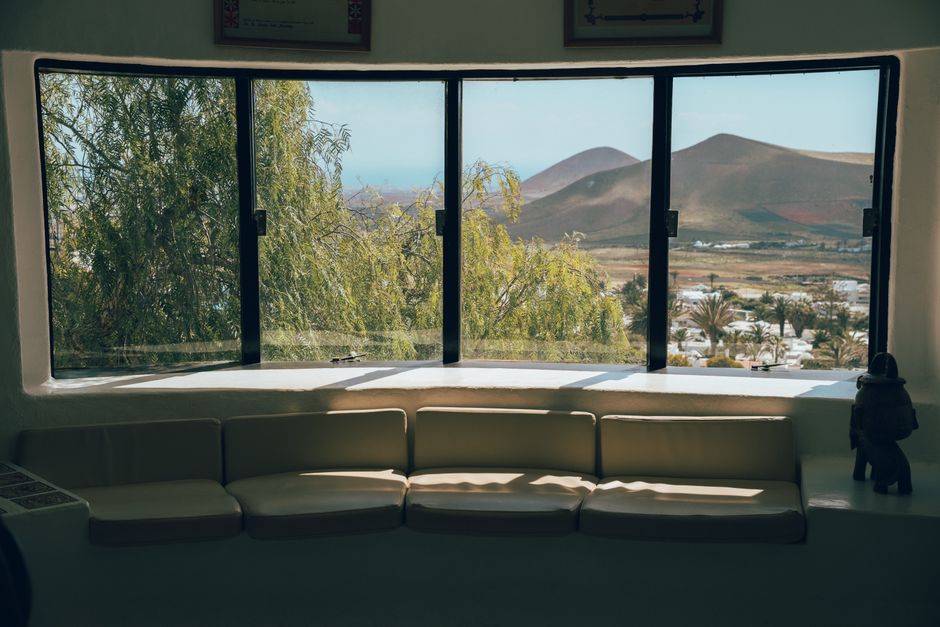
Most corporate retreat destinations sell some combination of three things: good weather, decent venues, and ease of access. Lanzarote offers those, but it adds a fourth element that the polished destinations have lost. The island still has a sense of place. It looks like nowhere else in Europe, because it isn't.
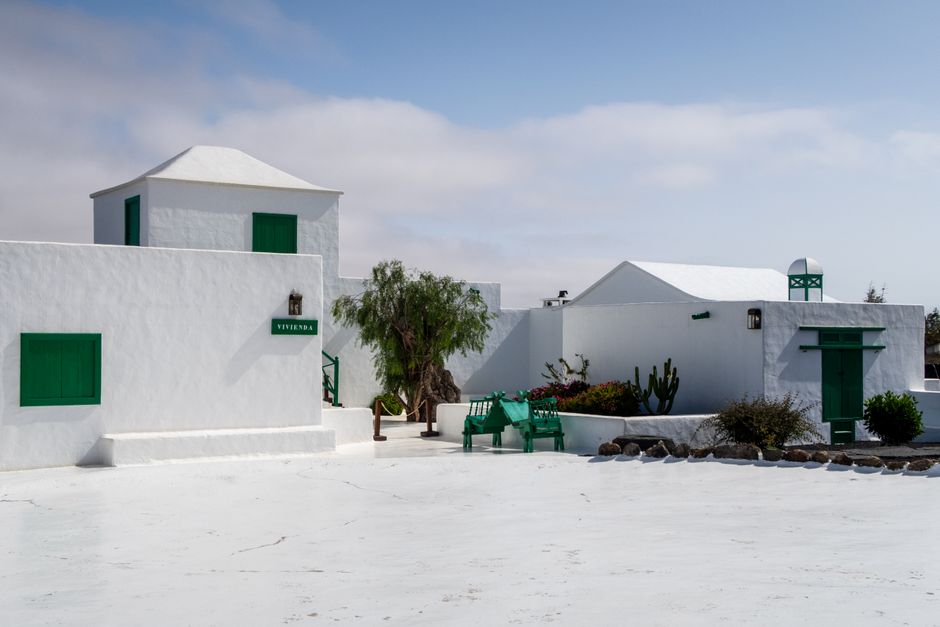
The volcanic landscape is not a backdrop. It is the experience. César Manrique, the artist who shaped how Lanzarote built and protected itself from the 1960s onwards, fought to keep the island free of high-rise hotels, neon, and the visual noise that turned much of the Spanish coast into a generic resort strip. The result, decades later, is a destination where the architecture is white-walled and low, the landscapes are protected, and the venues he designed (Jameos del Agua, Mirador del Río, the Cactus Garden) have become the kind of spaces that international event planners build entire programmes around.
For a corporate audience, that translates into something specific. Your team is not going to spend the week looking at the same hotel they could have flown to anywhere else. They are going to spend it inside a place that the company chose with intent, in a setting that signals the offsite matters. The location does work that no agenda can replicate.
The Logistics That Actually Matter
Before the venues and the experiences, the practical questions decide whether an island works for your event. Lanzarote answers them well.
Access
Arrecife airport (ACE) is served year-round by direct flights from most major European cities. London, Manchester, Dublin, Madrid, Barcelona, Bilbao, Frankfurt, Munich, Düsseldorf, Paris, Amsterdam, Brussels, Milan and Rome all have regular routes. For groups arriving from a single hub, you can land 30 to 80 people in a single window and have them in transit to their hotel within 30 minutes of clearing arrivals. From the airport to the main resort areas is 15 minutes. To the northern venues, 45 minutes.
Timing
Lanzarote is a year-round retreat destination, which most European competitors are not. Average temperatures sit between 18 and 28 degrees from January to December. There is no real low season for weather. The two practical windows for corporate events are October to May (when the island is quieter and rates are softer) and June to September (when conditions are warm but tourism is more visible). For most offsites, the period from late September to mid-June is ideal: warm enough for outdoor sessions and evening events, quiet enough to feel exclusive, and easy enough to book the venues you actually want.
Scale
Lanzarote handles groups well from eight people up to around 250. The constraint at the larger end is venue capacity rather than infrastructure, and even then the right combination of spaces can comfortably host a 200-person conference followed by a 200-person gala dinner without the logistics breaking down. Above 300 people, the island starts to feel stretched, and you are better off looking at Tenerife or Gran Canaria. Below 300, Lanzarote is built for it.
Cost
Total cost per delegate for a three to four-day Lanzarote offsite typically lands between Mallorca and mainland Spain on hotels and catering, and noticeably below Marrakech, the Algarve high season, or any Italian Lakes destination once you include flights, transfers and venue hire. Where Lanzarote saves money is on transport between activities (the island is small) and on premium venues that command Mallorca prices but face less direct competition for them.
Venues That Set the Tone
The venue decides what your retreat feels like. Lanzarote has more usable, distinctive event spaces than its size would suggest. These are the ones that consistently deliver.
Castillo de San José (MIAC)
An 18th-century coastal fortress on the cliffs above Arrecife port, converted into the International Museum of Contemporary Art by César Manrique in the 1970s. The lower level houses a glass-walled restaurant overlooking the harbour. The upper terraces handle cocktail receptions of up to 150 people with the Atlantic as the backdrop. For a flagship dinner or an opening reception, few European venues match it. Capacity: 150 standing, 80 seated.
Jameos del Agua
A volcanic cave system converted by Manrique into a concert hall, restaurant and one of the most photographed event spaces in Europe. The auditorium seats 600 inside a natural lava tube with acoustics that earned it international recognition. The exterior terraces around the underground saltwater lagoon hold cocktail and dinner formats up to 250. Used for product launches, gala dinners, and high-profile incentive events that need a single space with maximum impact.
Private Fincas

Across the centre of the island, restored agricultural estates have been repurposed as private event venues. These are the most flexible spaces on Lanzarote: indoor meeting rooms for 30 to 80 people, outdoor terraces for breakouts and lunches, vineyard or volcanic-rock surroundings, and the option to take the entire estate exclusively for two to five days. For company retreats where the team works during the day and dines together at night, a finca is often the right answer.
Clifftop and Coastal Terraces
Multiple venues along the north and west coasts offer outdoor terraces directly above the Atlantic. Useful for sunset receptions, awards dinners, or any moment in the agenda where the company wants the location to carry the emotional weight. Most have indoor backup spaces in case of wind, which on Lanzarote can be a factor in any season.
Hotel Conference Facilities
The four- and five-star resort hotels in Costa Teguise, Playa Blanca and Puerto del Carmen offer conference centres with capacities from 80 up to around 500. These are the workhorses for plenary sessions, structured workshops and the parts of the agenda where a polished hotel ballroom is exactly what you want. The trick is to balance these with the more characterful spaces above, so the team gets the productivity of a proper conference setup without spending the entire retreat indoors.
Team Building That Doesn't Feel Like Team Building
Most corporate team building activities exist for one reason: a slot on the agenda that someone has to fill. They rarely produce lasting results because the activities themselves rarely produce lasting memories. Lanzarote inverts this. The activities here are built around landscapes and traditions that the team will remember regardless of what corporate framework you wrap around them.
Wine Blending at a Private Bodega
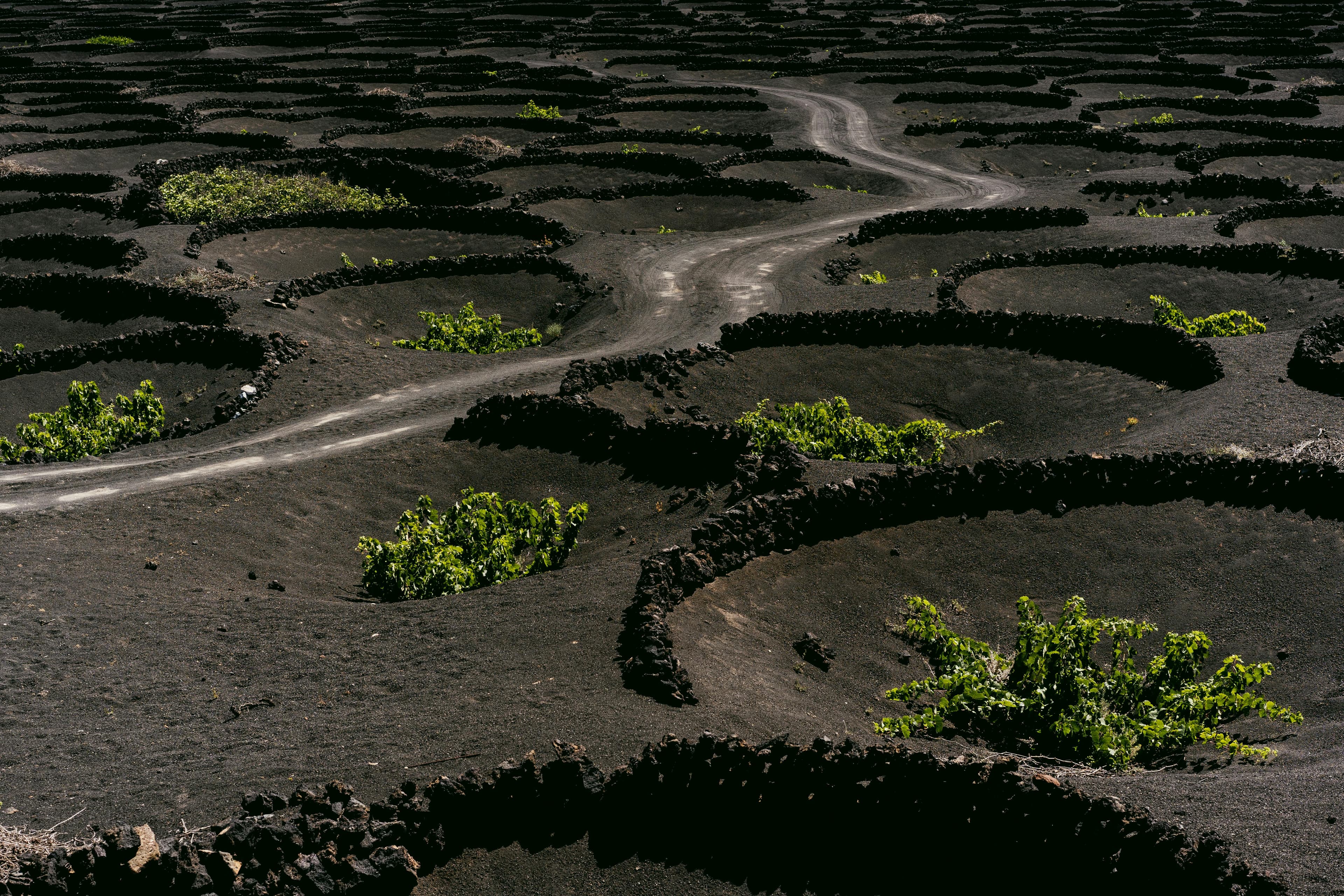
The volcanic bodegas of La Geria produce wines unlike any others on earth, grown in vines planted in pits dug through volcanic ash. A blending session at a working bodega has teams of four or five tasting base wines, designing their own blend, and competing to see whose blend the resident winemaker rates highest. It is competitive, educational, and pairs naturally with lunch on the bodega terrace. We cover the bodegas worth working with in our guide to Lanzarote's secret bodegas.
Volcanic Trekking and Caldera Hikes
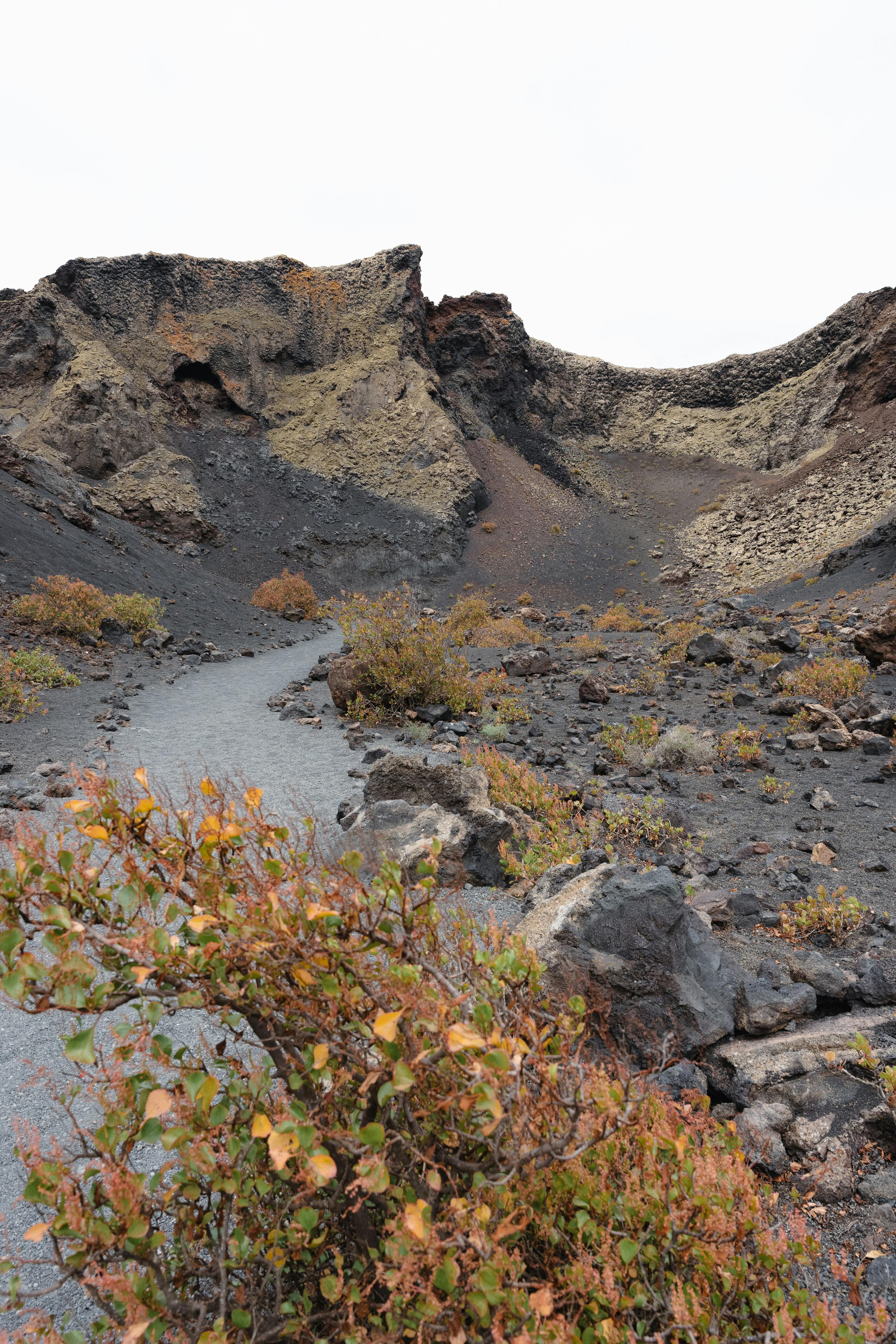
The Timanfaya area and the surrounding volcanic parks offer guided trekking that ranges from gentle two-hour walks suitable for any fitness level to half-day caldera traverses for more active groups. With the right guides, these become part storytelling about the 1730 eruptions that reshaped the island, part geological education, and part shared physical experience. Useful as a morning activity that resets the agenda before an afternoon working session.
Coastal Sailing and Catamaran Regattas
The southern coast has reliable wind and protected waters that work for both leisurely catamaran cruises with full catering and competitive regattas where teams crew their own boats. For groups of 20 to 60 people, splitting into competing crews on identical catamarans turns a few hours on the water into a properly designed team challenge. Most groups remember the regatta longer than the awards dinner. We outline the boat options in our Lanzarote boat trips guide.
Cooking Classes with Island Chefs
For smaller groups or executive teams, a private cooking class with a local chef in a finca kitchen produces the kind of relaxed atmosphere that breakout rooms never deliver. Teams cook in pairs, eat what they've made, and spend three hours having actual conversations rather than scheduled ones.
Shore Fishing and Coastal Foraging
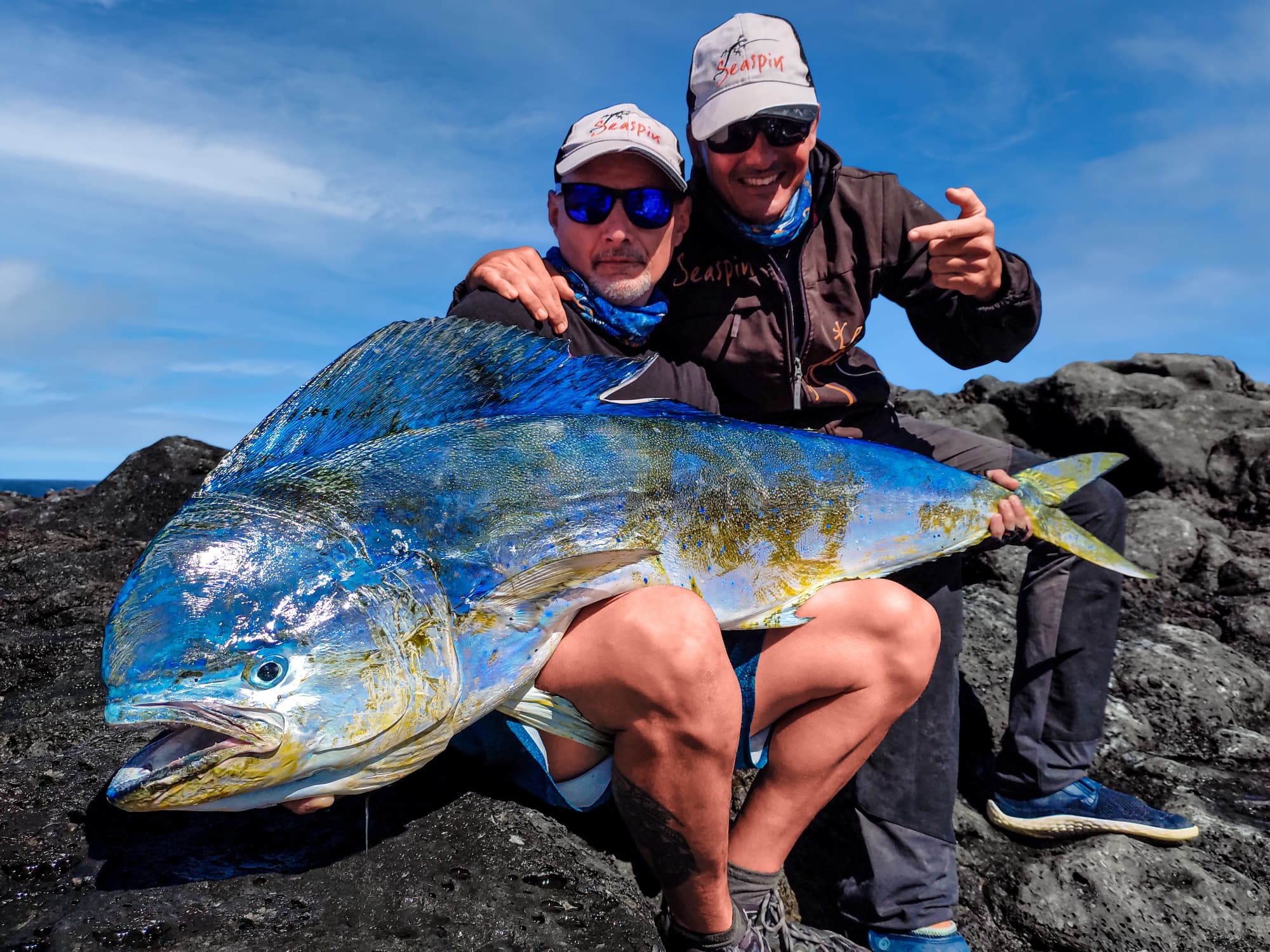
The volcanic coastline has fishing spots and edible coastal species (sea fennel, lapas, sea urchins in season) that local guides can introduce in two or three hours. Niche but memorable. Particularly effective for senior leadership offsites where the goal is shared experience rather than structured exercise.
Catering, Gastronomy and the Dinner That Matters
Most companies overspend on average venues and underspend on the meals that actually anchor a retreat in people's memory. Lanzarote rewards the opposite approach. The island's restaurants and catering teams operate at a level that surprises planners used to mainland Spanish event catering, and the cost of a serious gastronomic experience here is below what you'd pay in Barcelona or San Sebastián.
Local Ingredients That Define the Island
Lanzarote's volcanic soil produces ingredients you don't find elsewhere: sweet potatoes grown in ash, papas arrugadas (the salt-crusted potatoes that come with every menu), local goat cheeses, fresh fish landed daily at Arrieta and La Santa, and the wines from La Geria that pair specifically with the food they were grown alongside. A menu built on these ingredients tells a story your team won't get at a hotel buffet.
Format Options
Formal gala dinner: Five to seven courses, sommelier-paired, in venues like Castillo de San José or Jameos del Agua. Suitable for awards nights, opening ceremonies, or the headline moment of an incentive trip.
Beach barbecue: Casual format with grilled fish and meat, salads, local wines, served at private beach concessions or on the bodega terraces. Right for the second night of a three-night offsite when the team needs to unwind.
Wine-paired tasting in a volcanic cellar: Smaller groups (up to 40), structured around five or six wines paired with tapas built around each. Educational and conversational.
Cocktail receptions: Used as openers before larger dinners. Lanzarote's terraces and clifftop venues handle these particularly well because the setting carries the event without needing elaborate styling.
Accommodation and Group Logistics
Where you sleep on Lanzarote shapes how the retreat feels. There are three real options for a corporate group.
Luxury Resort Hotels (Block Bookings)
The five-star properties in the south (Playa Blanca) and the eastern coast (Costa Teguise) offer block bookings of 30 to 150 rooms with dedicated event coordination. Suitable when you want hotel-managed logistics, on-site conference space, and the comforts of a polished resort. Costs are competitive with Mallorca and below most of Italy.
Private Villa Clusters
For senior leadership retreats or smaller executive offsites (10 to 40 people), private villa clusters offer something a hotel cannot: the entire group in private accommodation with shared communal spaces, pools, and the option to cater meals on-site. The privacy and the sense of having taken over a corner of the island tend to be remembered far longer than the room itself.
Boutique Finca Retreats
Restored agricultural estates that operate as small boutique hotels, often with 8 to 20 rooms. These are ideal for retreats where the group is the only occupancy and the entire estate becomes the venue. Most have meeting rooms, outdoor working spaces, and on-site dining handled by the chef who lives there. The combination of accommodation and venue under a single roof simplifies logistics.
Group Transport
Lanzarote is a small island, which is one of its quiet logistical advantages. From any of the three main accommodation areas (Playa Blanca, Costa Teguise, Puerto del Carmen) you can reach any venue, activity or restaurant on the island in 45 minutes or less. Private coach hire is straightforward, drivers are local and reliable, and the road network is in good condition. For executive groups, fleets of private vehicles work just as well. We have never seen a retreat caught out by traffic delays.
Incentive Trips: The Reward That Lands
Incentive travel exists to reward top performers and to communicate that the company values them. The reward only works if the experience feels exclusive, considered, and impossible to replicate on a personal holiday. Lanzarote delivers this with surprisingly little effort, because much of what makes the island remarkable is genuinely closed to ordinary tourism.
Private catamaran cruises along the volcanic coast, with onboard catering, swim stops at hidden coves, and the kind of itinerary that no public tour offers.
Exclusive bodega evenings at producers who do not open to commercial visitors, with the winemaker walking your group through the vineyard and the production.
Sunset dinners on volcanic cliffs, in venues opened privately for the group, with a chef working from a single-sitting menu designed for the night.
VIP access to César Manrique sites outside public hours, where Jameos del Agua, Mirador del Río or the Cactus Garden are reserved for the group with private guides.
Helicopter or microlight scenic flights over the volcanic interior and the protected northern islands, for groups where the budget supports it.
The pattern across all of these is the same: the island has remarkable experiences that are not available off-the-shelf, and the role of the event partner is to negotiate access. Lanzarote Untold's relationships make those bookings possible. We cover the broader landscape of hidden corners of the island in our locals' guide.
Designing the Right Format
The most common mistake we see with corporate retreats is squeezing too much into too few days. The second most common is leaving the agenda so open that the team comes home unsure what was accomplished. Both come from not thinking carefully enough about format. Here are the structures that consistently work in Lanzarote.
Two-Day Executive Offsite (8 to 20 people)
Best for senior leadership teams or board retreats. Arrive late afternoon on day one, working dinner at a finca. Full working day in private meeting space, broken up by one shared activity (wine blending or a coastal hike), closed with a private dinner at a notable venue. Departure morning of day three. The team gets serious work done, one memorable shared experience, and is home in time for the weekend.
Three-Day Department Offsite (30 to 80 people)
The most common corporate retreat format. Day one: arrivals, welcome cocktail at Castillo de San José or equivalent. Day two: morning plenary, afternoon split between two team-building activities, evening gala dinner. Day three: morning working sessions, group lunch, departures from mid-afternoon. It hits the right balance of structured work, shared experience, and reasonable energy management.
Five-Day Incentive Trip (50 to 150 people)
For top-performer rewards or large company conferences. It allows for two or three full experiential days, two structured working days, and a flagship dinner that becomes the central memory of the trip. Long enough to actually unwind, short enough that the team returns refreshed rather than exhausted.
Seven-Day Conference and Incentive Combined
Larger format used for international company offsites or sales kickoffs that combine conference plenaries, breakout strategy work, and incentive-style experiences. Lanzarote handles this well at the 100 to 250-person scale, particularly when the format includes a midweek "reset day" where the conference structure pauses and the group experiences the island.
How Lanzarote Untold Runs Corporate Retreats
Our role on corporate events is end-to-end production. That means a single point of contact on our side, a single project plan covering every element, and a fixed-cost proposal that includes everything from airport transfers to gala-night staging.
The work breaks into four phases.
Discovery. One or two calls with the client to understand the goals of the retreat, the team's profile, the budget envelope, and the constraints that always exist (dietary requirements, mobility considerations, time-zone arrival logistics). We send a written brief back for sign-off before designing anything.
Design. A proposal covering venue selection, accommodation, agenda structure, activity options, catering concepts and budget. Presented as a working document that the client can adjust before commitment.
Production. Contracting venues, suppliers and accommodation. Building the logistics plan (transfers, dietary lists, room allocations, on-the-day timings). Designing any custom elements: branded event materials, audiovisual setup, photography, translation services. Final pre-event run-through with the client two weeks out.
On-the-day delivery. A Lanzarote Untold producer is on the ground from the first arrival to the last departure. We coordinate every element so the client team is not running logistics during their own event. They get to participate in the retreat they designed, not run it.
For groups that want to combine corporate work with the broader Lanzarote experience, we build itineraries that pull from our full catalogue of curated experiences, including the volcanic landscapes of Timanfaya and the coastal experiences along the south.
Frequently Asked Questions
Is Lanzarote suitable for a year-round corporate retreat?
Yes. Temperatures sit between 18 and 28 degrees throughout the year, and the island is one of the few European destinations that genuinely works for outdoor events in any month. The quieter, lower-cost period runs from October to April. Summer (June to September) is busier and warmer, but the corporate event infrastructure operates year-round.
How many days do we need for a meaningful retreat?
For a leadership team, two full days plus arrival and departure is enough. For a department of 30 to 80, three days is the sweet spot. Above 80 people or for incentive rewards, four to five days produces a stronger experience and amortises the travel cost across more on-island time.
What's the typical budget per delegate?
It varies widely. For reference, a three-day department offsite for 50 people in good four-star accommodation with two venue dinners, one team-building activity, and full event production lands in a similar range to comparable retreats in Mallorca or the Algarve. Premium incentive trips with five-star accommodation, exclusive venue access and multiple flagship experiences sit higher. We price every event as a single fixed-cost proposal rather than per-line markup, so clients see the total before committing.
Can you handle international groups with multiple departure cities?
Yes. Most of our corporate retreats involve delegates flying in from three to seven cities across Europe. We coordinate arrival windows, group transfers from the airport in waves, and welcome logistics so the experience starts the moment they land, not after they reach the hotel.
What's the largest event you handle?
Lanzarote works well up to around 250 delegates for a single retreat. Above that, the choice of venues that hold the entire group together starts to narrow. For events above 300 people, we recommend looking at Tenerife or considering a split-day format where the larger group experiences the island in waves.
Do you offer sustainability and CSR options for company retreats?
Yes. We work with several local partners on coastal cleanups, native plant restoration projects at protected sites, and educational programmes around volcanic ecology that fit naturally into a corporate retreat agenda. These work particularly well as a half-day component on day two of a three-day offsite.
How far in advance should we book?
For groups under 30 people, three to four months is usually enough. For 50 to 150-person events that need specific flagship venues like Castillo de San José or Jameos del Agua, six to nine months is realistic. The premium venues book a long way out, particularly for October to May. For incentive trips with very specific date requirements, twelve months is not unusual.
Can we combine the retreat with leisure days for delegates?
The strongest formats often build a half-day or full day of optional leisure into the agenda. Lanzarote is rich enough that delegates can choose between volcanic park visits, beach days, surfing lessons, wine tours or simply unwinding at the accommodation. We design these options into the proposal so delegates have curated choices rather than open time they don't know how to fill.
Planning a corporate retreat, conference or incentive trip in Lanzarote? We design and deliver end-to-end events for companies that want the offsite to actually matter. Visit our corporate events page for the services overview, or get in touch to discuss your event in detail. We will respond within 24 hours with availability, venue options and an initial proposal framework.