Lanzarote Boat Trips: The Complete Guide to Seeing the Island from the Water
You've driven past the Papagayo cliffs. You've stood at the Mirador del Río and looked down at La Graciosa. You've seen the volcanic coastline from every roadside viewpoint the island offers. And from every one of those vantage points, the same thought: what does it look like from out there?
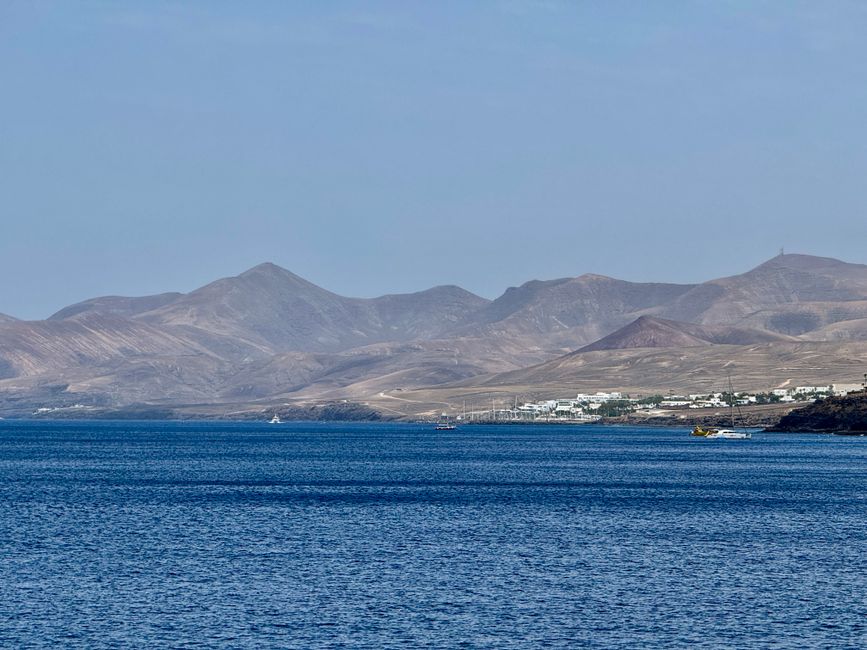
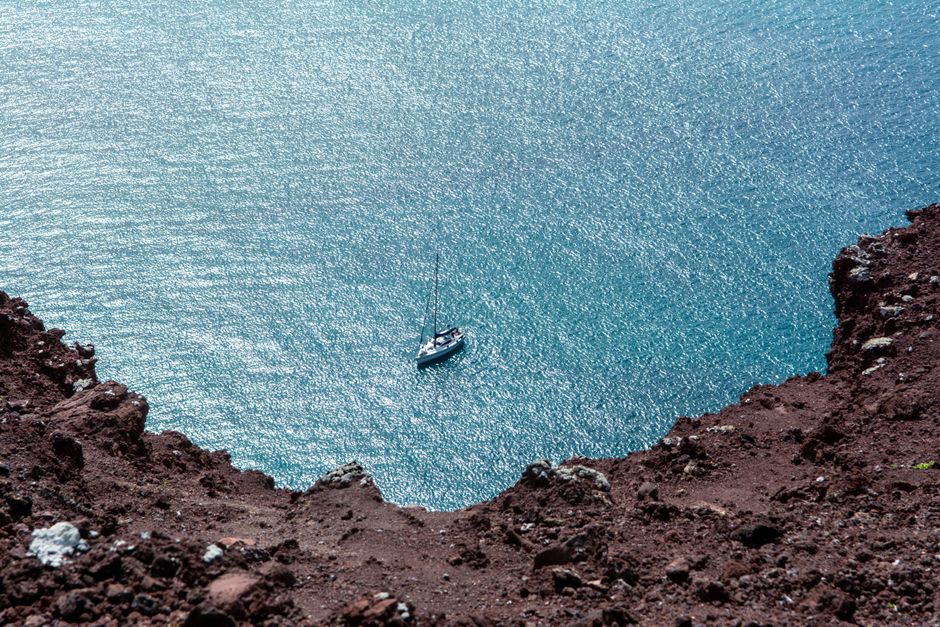
From the water, Lanzarote is a different island. The volcanic cliffs that appear as a dark line from the road reveal caves, arches, and colours invisible from above. Beaches with no road access appear between lava headlands. The scale of what the eruptions did to this coastline only makes sense when you're floating beside it, looking up at walls of frozen lava fifty metres high, understanding for the first time that the molten rock didn't stop at the shore. It poured into the Atlantic and the ocean pushed back, and what you're looking at is the result of that fight.
This guide covers every worthwhile Lanzarote boat trip: the routes, the coastlines, the types of vessel, and the difference between the experiences that show you something genuinely new and the ones that hand you a lukewarm sangria and point vaguely at a cliff.
The Coastlines: Where to Go and Why
Lanzarote has roughly 213 kilometres of coastline. Most boat trips cover one of four main areas, each with a distinct character. Understanding what each section offers helps you choose the right trip rather than ending up on the wrong boat staring at the wrong stretch of shore.
The Papagayo Coast (South)
The southern tip of Lanzarote, from Playa Blanca east to the Punta del Papagayo, is where the island's best beaches hide between volcanic headlands. Six or seven coves sit in sequence along this stretch, each backed by ochre cliffs and fronted by water that shifts from turquoise to deep Atlantic blue within metres of the shore.
From land, you can reach these beaches via a dirt track and a short walk. From the water, you see what the walk doesn't reveal: the cliff faces are riddled with sea caves. The lava formations below the waterline create sheltered pools where the visibility can reach fifteen metres on a calm day. Between the main beaches, smaller coves exist that have no path to them at all. They're only accessible by boat or by a scramble that most visitors won't attempt.
Best for: Swimming stops, snorkelling, photography. The morning light on the Papagayo cliffs is extraordinary. Afternoon trips get the sun behind you for the best views of the water colour.
The Western Volcanic Coast (Los Hervideros to El Golfo)
This is where the Timanfaya lava fields hit the ocean. From the road above, you can see Los Hervideros and its sea caves. From a boat, you can enter them. On a calm day, small vessels navigate into cavities in the lava where the rock glows orange and red from mineral deposits, the water surges beneath you, and the ceiling drips with salt crystals formed over centuries of evaporation.
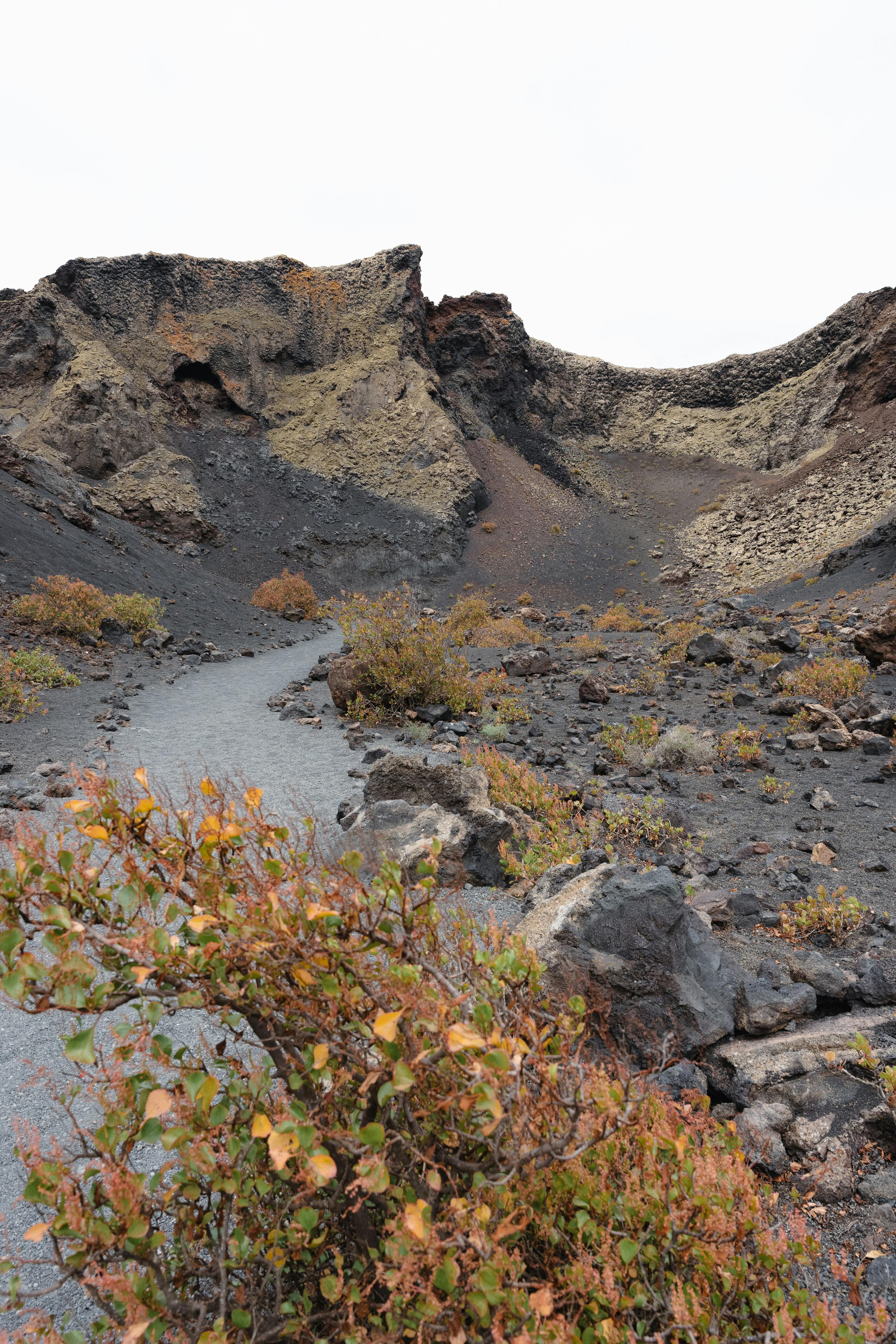
The cliffs along this stretch are not the smooth erosion you see elsewhere in the Canaries. They're raw volcanic rock, barely weathered, still showing the layered flows of successive eruptions. In places, the lava formed columns as it cooled, creating structures that look deliberately carved. They weren't. The geology did it alone.
Best for: Dramatic scenery, geology, photography. This coast is exposed to Atlantic swell, so trips here depend on conditions. When it's calm enough to run, it's among the most visually spectacular boat routes in the Canary Islands.
La Graciosa and the Northern Strait (El Río)
The channel between Lanzarote and La Graciosa, the small island visible from the Mirador del Río, is barely two kilometres wide. The crossing takes fifteen minutes by ferry, but the area around it offers far more than a transit route.
La Graciosa itself is roadless, carless (except for a handful of 4x4s), and home to roughly 700 people in a single village. Its beaches, particularly Playa de las Conchas on the north coast, rank among the finest in the entire Canary archipelago. The water between the two islands is a marine reserve, and the visibility for snorkelling and diving is consistently exceptional.
Boat trips in this area range from the simple ferry crossing (allowing you to explore La Graciosa on foot or by bike) to full circumnavigations of the island, stopping at beaches inaccessible even to the island's few vehicles.
Best for: Remote beaches, snorkelling in marine reserve waters, escaping every trace of tourism infrastructure. La Graciosa feels like the Canary Islands did forty years ago.
The Eastern Coast (Puerto del Carmen to Arrecife)
The east coast is calmer, more sheltered from the prevailing winds, and less dramatically volcanic than the west. It's where most of the island's marine life concentrates, thanks to the shallower waters and the protection from Atlantic swells. Dolphin and whale sightings are more common on this side, and the diving sites along the eastern shelf attract species that don't visit the exposed western cliffs.
Best for: Marine wildlife, calmer waters (useful if you're prone to seasickness), diving and snorkelling with higher marine biodiversity.
Types of Lanzarote Boat Trip
Not all boat trips are created equal. The vessel type, the group size, and the route determine whether you get an experience worth remembering or three hours of diesel fumes and a buffet. Here's what's actually available.
Large Catamaran Excursions
The most common format. Catamarans carrying 40 to 80 passengers depart from Puerto del Carmen or Playa Blanca, sail along the Papagayo coast, stop for swimming and snorkelling, and return. Food and drinks are typically included. Music plays. The atmosphere is festive.
These trips are fine for what they are. The Papagayo coastline is beautiful regardless of how many people are on your boat. The swimming stops are in genuinely excellent water. If you want an easy, social day on the water with everything included, a catamaran trip delivers that.
What they don't deliver is intimacy with the coastline. A large catamaran can't enter sea caves, can't anchor in the smallest coves, and can't adjust its route based on where the conditions are best that day. The experience is fixed, predictable, and identical for every passenger on every departure.
Small Group Sailing
Smaller sailing boats (8 to 12 passengers) offer a fundamentally different experience. The boat goes where the wind and the skipper's knowledge take it. Stops happen where conditions are best, not where the timetable dictates. The boat can tuck into coves that a catamaran can't reach, anchor closer to cliff faces, and adjust the entire day around what the sea is doing.
Sailing also means silence. Once the engine cuts and the sails fill, the only sounds are water against the hull and wind in the canvas. Against a backdrop of volcanic cliffs and open Atlantic, that quiet transforms the experience from "boat trip" to something closer to exploration.
Practical note: Sailing trips are weather-dependent in a way that motor-powered excursions are not. A day with no wind means motoring, which removes half the appeal. Conversely, a day with strong winds makes for exhilarating sailing but rougher conditions. The best sailing days on Lanzarote are those with moderate trade winds: enough to move well, calm enough to enjoy.
Private Charter
The version where no one else's preferences shape your day. A private charter means the boat, the skipper, and the route are yours. You decide whether to spend three hours anchored in one perfect cove or cover the entire southern coastline in an afternoon. You decide when to swim, when to eat, when to move on.

Private charters exist at every price point, from small motorboats with a local skipper to fully-crewed sailing yachts with a chef on board. The cost per person drops as group size increases, and for a group of six or eight, a private charter can cost little more per head than a premium catamaran trip while delivering an incomparably better experience.
This is where a Lanzarote boat trip becomes something personal. A skipper who knows the coastline will take you to the caves, the hidden anchorages, and the snorkelling spots that no scheduled excursion visits. They'll read the conditions and adjust, putting you in the right place at the right time rather than following a fixed loop regardless of what the sea and the light are doing.
Fishing Charters
The waters around Lanzarote sit at the edge of the continental shelf, where deep Atlantic currents bring pelagic species close to shore. Big game fishing here targets marlin, tuna, wahoo, and dorado, with the season running from May to October for the largest species. Inshore fishing for species like barracuda, amberjack, and bream is productive year-round.
Fishing charters typically depart from Puerto Calero or Puerto del Carmen and range from half-day inshore trips to full-day offshore expeditions targeting big game. Equipment is provided. Experience is not required for inshore trips, though offshore fishing in open Atlantic conditions demands a reasonable tolerance for movement and a genuine interest in the pursuit.
Insider note: Puerto Calero is the hub for fishing charters. The marina there is smaller, quieter, and more focused on private vessels than the busier Puerto del Carmen. Several experienced skippers operate from Puerto Calero who've fished these waters for decades and know where the fish are on any given day. Ask locally rather than booking through hotel desks.
The Best Lanzarote Boat Trips by Experience Type
Rather than listing operators, here's how to match what you actually want to what you should book.
For Scenery and Photography
Book a trip along the western volcanic coast or a circumnavigation of La Graciosa. These routes have the most dramatic landscapes: volcanic cliffs, sea caves, remote beaches backed by lava formations. Morning departures give better light on the cliffs. A smaller vessel gets you closer to the rock faces where the detail lives.
For Swimming and Snorkelling
The Papagayo coast on a calm day. The water clarity here is exceptional, the coves provide shelter from current, and the underwater landscape (volcanic rock formations, sandy patches, seagrass beds) supports a surprising variety of marine life. Angel sharks rest on the sandy bottoms in winter. Trumpet fish hang vertically among the rocks. Shoals of parrotfish graze on the reef.
For more serious snorkelling, the Museo Atlantico (underwater sculpture museum) off the south coast is accessible by boat and offers a genuinely unique experience: swimming among submerged art installations at depths of 12 to 15 metres. It's designed for divers but accessible to confident snorkellers on calm days.
For Sunset and Romance
Sunset trips from Playa Blanca or Puerto del Carmen, heading west toward the open Atlantic. Lanzarote's sunsets, unobstructed by any landmass until the Americas, are reliably spectacular. From a boat, you get the full horizon plus the island's volcanic silhouette darkening behind you as the sky does what it does. Smaller boats, fewer passengers, no thumping playlist: that's the formula.
For Families
Calmer waters on the eastern or southern coast. A catamaran with swimming stops and included food takes the logistics off your hands. Children are generally welcome on most excursions, though the smaller sailing trips may have minimum age requirements. The ferry to La Graciosa plus a day on the beach there is an excellent family option: the crossing is short, the beaches are safe, and the island itself is car-free and easy to explore.
For Adventure
A private charter to the western volcanic caves when conditions allow. Jet ski tours along the southern coast. Deep-sea fishing offshore. Or the combination that works particularly well on Lanzarote: a boat trip to an otherwise-inaccessible stretch of coast followed by a cliff walk or snorkel in conditions you'd never find from a beach.
Practical Information
When to Go
Lanzarote's boat trip season runs year-round, but conditions vary significantly.
April to October: Calmest seas, warmest water (20 to 23 degrees Celsius), longest days. July and August can bring strong trade winds in the afternoons, which is excellent for sailing but can make the western coast too rough for other vessels.
November to March: Atlantic swells increase, particularly on the west coast. Eastern and southern routes remain viable on most days. Water temperature drops to 17 to 19 degrees (still swimmable for most). Whale watching improves significantly in winter as migratory species pass through.
The transitional months (April, May, October): Often the best combination of calm seas, comfortable temperatures, and fewer boats on the water. If your travel dates are flexible, aim here.
Where Trips Depart From
Puerto del Carmen: The largest resort, most operators, widest selection. Trips head south to Papagayo or east along the coast.
Playa Blanca: Closest to the Papagayo beaches and the volcanic west coast. Smaller marina with a more local feel.
Puerto Calero: The upmarket marina between Puerto del Carmen and Playa Blanca. Fishing charters, private yachts, and premium operators base here. Quieter, more exclusive.
Orzola: The northern fishing village and departure point for La Graciosa ferries. No frills, just boats and the sea.
What to Bring
Sun protection. The reflection off the water doubles your UV exposure. High-factor sunscreen reapplied every hour, a hat that won't blow off, and a light long-sleeve layer for when you've had enough sun.
Swimwear and a towel. Most trips include swimming stops. Some provide towels, many don't. Bring your own.
A light jacket or windbreaker. Once the boat is moving, the wind chill is real, especially on the return trip when you're wet from swimming. Lanzarote's trade winds feel pleasant on land and cold at sea.
Seasickness precaution. If you're uncertain about your sea legs, take precautions before boarding. The western and northern coasts are rougher than the south. Ginger tablets, pressure bands, or medication: pick your approach, but pick it before you're on the boat.
Underwater camera or waterproof phone case. The snorkelling on Lanzarote is better than most people expect, and the volcanic underwater formations are worth documenting.
Beyond the Standard: What Most Boat Trips Miss
The standard Lanzarote boat trip follows a predictable pattern. Depart, sail to Papagayo, anchor, swim, eat, return. It's pleasant. It's also what every other boat on the water is doing at the same time.
The coastline that most trips miss is the stretch that requires local knowledge, flexible timing, and a willingness to go where the conditions dictate rather than where the brochure promises. The volcanic caves on the western coast that are only accessible on certain swell conditions. The northern coves beneath the Famara cliffs that sit in shadow until midday and then light up in colours that don't look real. The underwater arches near La Graciosa that connect open water to hidden pools. The anchorages where the seabed is visible at eight metres and no other boat has been all day.
These places aren't secret. Local fishermen know them. Experienced skippers know them. But they don't fit into a fixed-route excursion because they require reading the day: the wind, the swell, the tide, the light. They require a skipper who cares more about showing you something extraordinary than about being back at the marina by 2pm.
This is the difference between a boat trip and a day on the water. One follows a route. The other follows the coastline.
Frequently Asked Questions
How much does a Lanzarote boat trip cost?
Large catamaran excursions with food and drinks included typically run 50 to 80 euros per adult for a half-day trip. Small group sailing trips range from 80 to 150 euros per person depending on duration and inclusions. Private charters start around 400 to 600 euros for a half-day on a small motorboat and go up to 1,500 euros or more for a full day on a sailing yacht with crew. Fishing charters range from 300 euros (half-day inshore, shared) to 1,200 euros (full-day offshore, private boat).
Do I need to book in advance?
In peak season (July, August, Christmas), yes. Popular catamaran trips sell out days ahead, and private charters during school holidays should be arranged weeks in advance. Outside peak season, booking a day or two ahead is usually sufficient for group trips. For private charters, a week's notice gives you the best selection of boats and skippers.
Will I see dolphins or whales?
Sightings are common but never guaranteed. Bottlenose dolphins and Atlantic spotted dolphins are resident in the waters around Lanzarote year-round, and encounters happen on roughly 40 to 60 percent of trips depending on the route. Whale sightings (primarily Bryde's whales and pilot whales) are more seasonal, peaking between November and March. No responsible operator will guarantee a sighting, and any boat should maintain distance rather than pursuing animals.
Is it suitable for non-swimmers?
Absolutely. Swimming stops are optional on all reputable trips. Many people book a Lanzarote boat trip purely for the scenery, the sailing experience, and the perspective on the coastline. Life jackets are available on every licensed vessel, and you're under no obligation to enter the water.
What about seasickness?
The south coast (Papagayo) is the calmest area and rarely presents problems for most people. The western volcanic coast and the La Graciosa crossing can be rougher depending on conditions. Catamarans are more stable than monohull sailing boats. If you're concerned, choose a southern route on a catamaran for maximum stability, take precautions before boarding, and sit toward the rear of the vessel where the motion is least pronounced.
Can I combine a boat trip with other activities?
Yes, and you should. A morning boat trip along the Papagayo coast combines naturally with an afternoon at the hidden beaches you spotted from the water. A La Graciosa crossing pairs with a day of cycling or hiking on the island. A western coast trip connects directly to the volcanic landscape you saw from the cliffs above. The boat gives you the perspective; the land gives you the immersion.
Want a Lanzarote boat trip that goes beyond the standard route? We arrange private sailing days, hidden-cove itineraries, and coastal experiences built around what the sea is doing on the day you're here, not what a brochure decided six months ago. Get in touch with our team to plan your day on the water. Or explore our curated experiences to see what's possible.