25 Best Things to Do in Lanzarote in 2026: The Complete Guide
Lanzarote isn't your typical Canary Island. You'll find no towering hotels lining its shores, no water parks, and no massive golf resorts pretending you're in Florida. Instead, you get 300 volcanoes, a wine region where grapes are grown inside craters, an artistic legacy influencing every building, and a coastline where the Atlantic meets landscapes more Mars-like than Spanish.
This guide covers the best things to do in Lanzarote, from must-see landmarks to hidden local experiences. Whether you're interested in volcano tours, wine tasting in volcanic bodegas, diving in Atlantic waters, or figuring out which excursions are actually worth it, you'll find it all here.
One thing to note: this isn't a list pulled from TripAdvisor. We live on Lanzarote and organise private experiences across the island, so this guide reflects what we'd genuinely recommend to a friend visiting for the first time.
Volcano Tours and Natural Wonders
Lanzarote is a UNESCO Global Geopark, and its volcanic landscape is the main draw for many visitors. A third of the island was transformed by eruptions between 1730 and 1736, leaving behind lava fields, craters, and underground tunnels that look otherworldly. Here are the experiences you shouldn't miss.
1. Timanfaya National Park
This is the most popular excursion in Lanzarote, and for good reason. Timanfaya covers 51 square kilometres of volcanic landscape created by six years of continuous eruptions in the 18th century. The coach tour through the Montañas del Fuego (Fire Mountains) follows a route designed by César Manrique, winding through red, black, and ochre lava formations.
At the Islote de Hilario visitor centre, park rangers demonstrate the geothermal activity just below the surface: water poured into a borehole erupts as a steam geyser, and dry brush dropped into a hollow bursts into flames. The ground temperature at two metres depth still exceeds 400°C.
Practical tip: Arrive before 10am or after 3pm to avoid the worst queues. You can't wander freely in the park, only take the coach route, but that's fine because the route is well designed and covers the most dramatic terrain. Budget about 90 minutes.
2. The Lanzarote Volcano Tour Beyond Timanfaya
Timanfaya is the star attraction, but the volcanic landscape stretches well beyond the national park boundary. A proper Lanzarote volcano tour should include several less-visited spots.
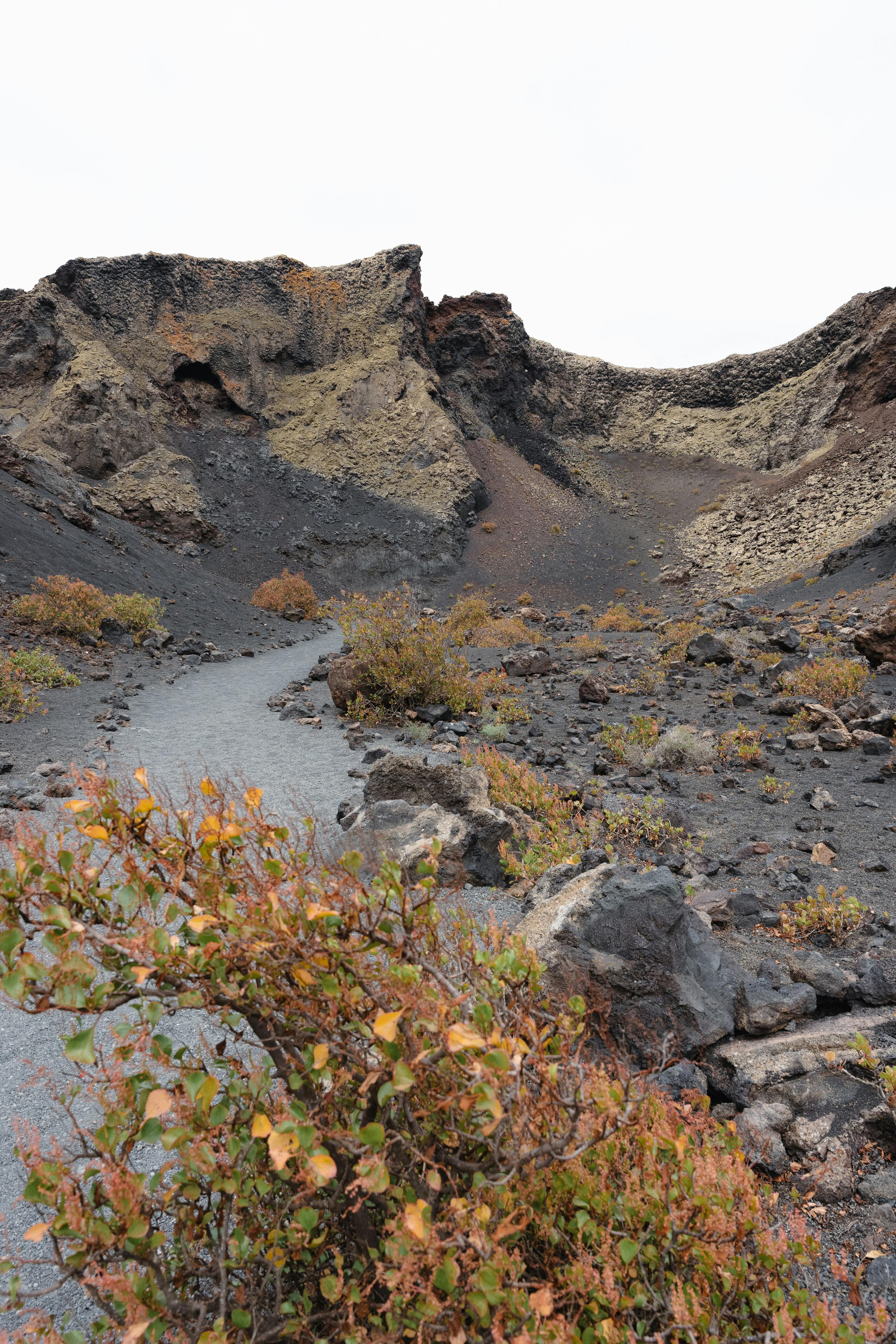
Caldera Blanca: A moderate circular hike (roughly 9km, 3 hours) takes you across the 1730 lava fields and up to the rim of one of Lanzarote's largest craters. The views from the top, gazing into the wide caldera and across to Timanfaya, are worth every step. Go early in the morning to enjoy it mostly to yourself.
Los Hervideros: A coastal stretch south of Timanfaya where solidified lava meets the Atlantic. The sea has carved caves and blowholes into the rock, and on days when the swell is up, water surges through the tunnels and erupts upward through holes in the cliff. Dramatic and no ticket or queue required.
Montaña Roja (Playa Blanca): A short climb to the summit of a volcanic cone at the island's southern tip. It takes about 30 minutes to reach the top and offers 360-degree views over Fuerteventura, the Papagayo beaches, and the interior mountains. Best at sunset.
Explore our private volcano and nature experiences
3. Cueva de los Verdes
A volcanic tube formed by the eruptions of Montaña Corona around 3,000 years ago, running seven kilometres from the crater to the coast and continuing underwater. The section open to visitors is about one kilometre, winding through chambers lit by subtle, coloured lighting that highlights the lava walls' layers and textures. The finale involves a visual trick that's been delighting visitors for decades. We won't spoil it.
Practical tip: Go during the first or last guided tour of the day. The cave maintains a constant temperature of about 19°C, so it's a good option on hot days. Allow 50 minutes for the tour.
4. Jameos del Agua
Built inside the same volcanic tube system as Cueva de los Verdes, Jameos del Agua is one of César Manrique's masterpieces. He transformed a collapsed lava tube into a complex with an underground lake, a swimming pool, a restaurant, a concert hall, and gardens. The underground lake is home to blind albino crabs (Munidopsis polymorpha) found nowhere else on Earth.
Whether Jameos is something to "do" or "see" is debatable, but it's one of the most unusual spaces in Europe and worth the visit. The concert hall inside the cave boasts acoustics that attract classical musicians from around the world.
Wine Tasting and Food Experiences
Lanzarote's food and wine scene is one of the island's best-kept secrets. The volcanic soil, unique growing methods, and fishing traditions culminate in a culinary identity worlds apart from the generic international menus of resort restaurants.
5. Lanzarote Wine Tour in La Geria
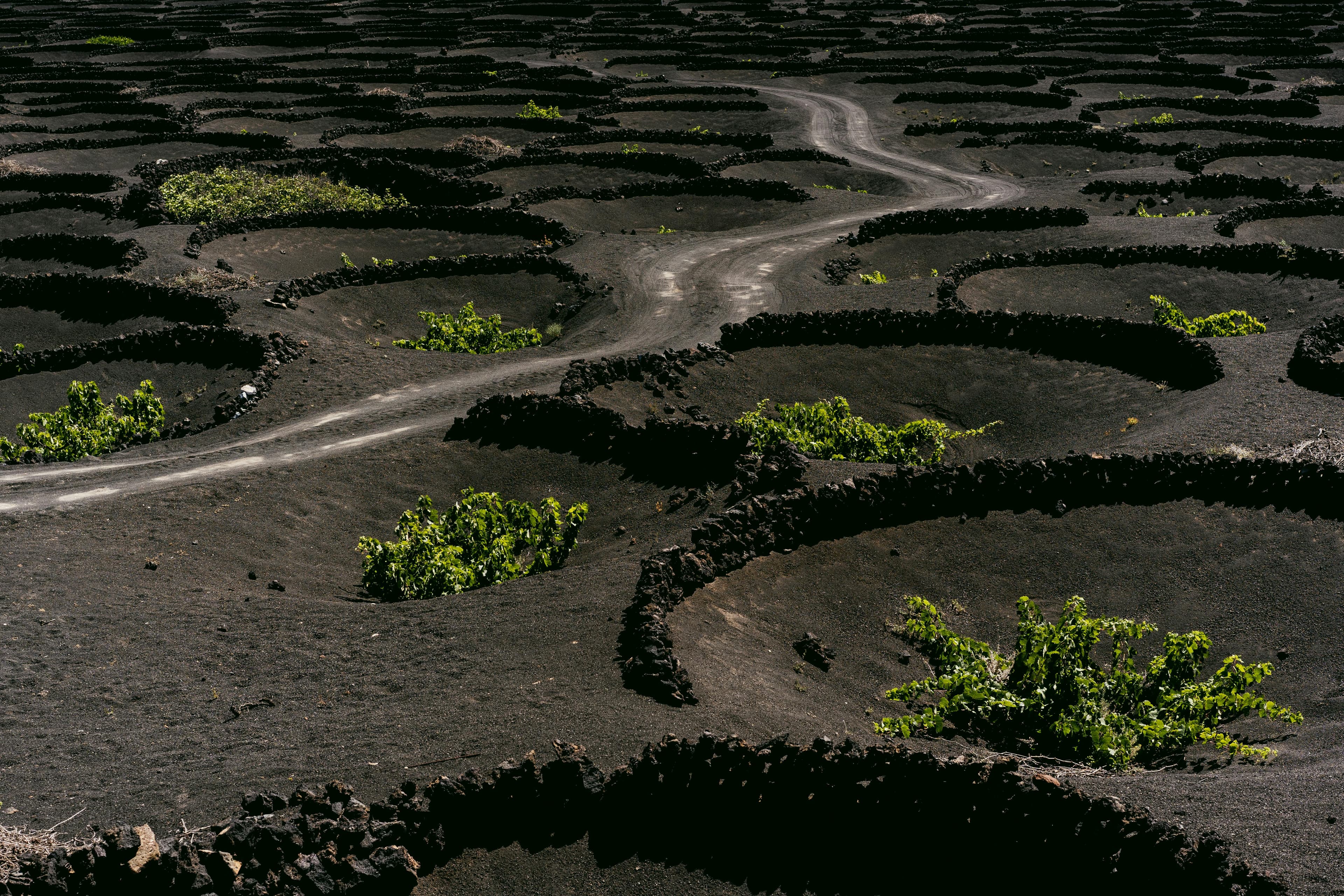
The La Geria wine region is unlike any vineyard you've visited. Each vine grows inside a hand-dug pit, protected by a semi-circular wall of volcanic stone called a zoco. This system was developed after the 1730 eruptions, when farmers discovered that the volcanic gravel (picón) retained moisture from the night air. The result is a UNESCO-recognised cultural landscape and wines with a volcanic minerality you won't find anywhere else.
A standard Lanzarote wine tour visits the commercial bodegas: El Grifo, Bodega La Geria, and Rubicón. They're well run and worth a stop. But the real magic of a Lanzarote wine tasting is in the family-run bodegas that don't appear on any tour circuit. These are the producers making a few hundred bottles a year of Malvasía that never leaves the island, poured for you by the person who grew the grapes.
What to try: Dry Malvasía Volcánica is the flagship, but look for semi-sweet versions and the increasingly good Listán Negro reds. Ask about Diego (a nearly extinct local grape) if you want something truly rare.
See our private wine and gastronomy experiences
6. Eat Fresh Fish in Órzola
Órzola, a small fishing village at the island's northern tip, is where most people catch the ferry to La Graciosa and leave without a second glance. Those who linger, however, are treated to some of the best fish on Lanzarote.
The harbour restaurants serve what's caught that morning: vieja (parrotfish) grilled whole, cherne (wreckfish) with green mojo, and lapas (limpets) fresh off the rocks. Eating in Órzola captures a directness that resort restaurants can't match. The fish was in the sea just hours ago, and the restaurant is mere metres from the boat that caught it.
7. Take a Lanzarote Food Tour Through the Markets

The Teguise Sunday market is the big one, sprawling through the old capital's cobbled streets with hundreds of stalls. It's worth a visit, but it does lean towards tourists. For genuine local produce, the Haría Saturday market is the place to be. Smaller and focused on what locals grow and make: goat cheese from small herds, mojos made from local peppers, cactus fruit jam, and volcanic wildflower honey.
A self-guided Lanzarote food tour should also include the Manrique-designed Monumento al Campesino restaurant in San Bartolomé, where you can savour traditional Canarian dishes in a farmhouse setting, and the fishing village restaurants along the northwest coast in La Santa and Caleta de Famara.
8. Private Cooking Experience with a Local Family
This is the kind of activity that doesn't appear on the usual booking platforms. Some families in the agricultural villages around Teguise and San Bartolomé welcome small groups into their kitchens to cook together. You'll learn the proper ratio of garlic, cumin, and coriander for mojo, the technique for salt-crusting papas arrugadas in seawater, and how to prepare fresh goat cheese with gofio.
These experiences exist through personal connections. They're not advertised, and you won't find them on Google. That's part of what makes them among the best things to do in Lanzarote for anyone who values food beyond the restaurant.
Sea and Water Activities
Lanzarote sits in the Atlantic with water temperatures between 18°C and 23°C year-round, excellent visibility, and a coastline that ranges from sheltered sandy bays to exposed volcanic reefs. The sea around the island supports a surprising range of activities, from some of the best diving in Europe to world-class surfing.
9. Lanzarote Diving
Lanzarote diving is genuinely world-class, and the island is increasingly recognised as one of Europe's top diving spots. The water clarity is exceptional (often 30+ metres visibility), the marine life is Atlantic rather than Mediterranean (so expect larger species), and the underwater scenery, shaped by volcanic eruptions, is dramatic.
Top dive sites:
Museo Atlántico: Europe's only underwater sculpture museum, designed by Jason deCaires Taylor. Twelve installations at 12 metres depth featuring over 300 life-size figures. A surreal dive unlike anything else in European waters.
Playa Chica (Puerto del Carmen): A shore dive suitable for all levels. Volcanic reef, angel sharks in the sandy channels, cuttlefish, octopus, and barracuda.
La Catedral: An underwater cave system off the south coast with cathedral-scale chambers. For experienced divers.
Charco del Palo: A lesser-known shore entry on the east coast with volcanic swim-throughs and reliable visibility over 25 metres.
What makes it special: Angel sharks. Lanzarote is one of the last strongholds of the critically endangered angel shark in the Atlantic. The sandy patches between the volcanic reefs around Puerto del Carmen and Playa Blanca are reliable spots to see them lying motionless on the bottom.
10. Lanzarote Boat Trip Options
There are dozens of operators running boat trips from Puerto del Carmen, Puerto Calero, and Playa Blanca. Here's how to navigate the options.
Catamaran cruises: The classic Lanzarote catamaran trip typically runs along the Papagayo coast with stops for swimming and snorkelling, lunch on board, and an open bar. These are well suited to groups and families who want a relaxed half-day on the water. The better operators use smaller catamarans with a maximum of 12 passengers rather than the party boats that carry 60+.
Sailing: For something quieter, look for smaller sailing boats that offer half-day or full-day trips. The stretch of water between Lanzarote and Fuerteventura, known as the Bocaina Strait, often has dolphins and can have very good sailing conditions.
Private charter: The most rewarding Lanzarote boat trip is a private charter, particularly along the Papagayo coast or across to the Chinijo Archipelago (La Graciosa and the small islands to the north). You set the route, the pace, and the stops.
11. Lanzarote Fishing: Deep Sea and Traditional
The waters around Lanzarote hold marlin, tuna, wahoo, and dorado, making it a legitimate deep-sea fishing destination. Several operators run half-day and full-day trips from Puerto Calero and Playa Blanca with proper tackle and experienced skippers.
But there's another version of Lanzarote fishing that's harder to find and more memorable: going out at dawn with a local fisherman from Órzola or La Santa in a small traditional boat, using handlines and traps, and bringing back what you catch to cook at the harbour. This isn't sold on any booking platform. It happens through local connections, and it's one of the most authentic Lanzarote activities you can do.
12. Surfing in Lanzarote
Lanzarote surfing is some of the best in Europe, and the island has earned its place on the European surf map. The combination of consistent Atlantic swells, warm water, and varied breaks makes it suitable for beginners and experienced surfers alike.
Famara: The main beach break. A long, exposed stretch of sand beneath the 600-metre Risco de Famara cliffs. Consistent waves, multiple peaks, and a strong surf culture in the village of Caleta de Famara. Good for intermediate surfers; beginners should stick to the whitewash zone or take a lesson.
La Santa: Home to a famous left-hand reef break that works on north and northwest swells. The wave is powerful, fast, and shallow. For experienced surfers only.
San Juan: A mellower right-hander near the airport that picks up southern swells. A good option when Famara is too big or blown out.
Surf schools: Several well-established surf schools operate from Caleta de Famara, offering group lessons, private coaching, and multi-day surf camps. The water is warm enough to surf in a shorty wetsuit most of the year.
See our sea and adventure experiences
Art, Architecture, and César Manrique
No list of things to do in Lanzarote is complete without César Manrique. The artist, architect, and environmental activist (1919-1992) is the reason the island looks the way it does. He campaigned successfully against high-rise development, designed the island's major tourist attractions, and created a visual language that integrated architecture with the volcanic landscape. His influence is everywhere.

13. Fundación César Manrique (Tahíche)
Manrique's former home, built into five volcanic bubbles (natural cavities in the lava flow). The house blurs the line between interior and exterior, with living spaces carved into the rock and connected by tunnels. The art collection upstairs includes works by Picasso, Miró, Tàpies, and Manrique himself. This is the essential Manrique visit and the one to prioritise if you only have time for one.
14. Mirador del Río
A lookout point at the northern tip of the island, 475 metres above the sea, with views across the strait to La Graciosa and the Chinijo Archipelago. Manrique built a curving glass-walled observation room into the cliff face, perfectly framing the view. The engineering is invisible from outside. The view is one of the most photographed in the Canary Islands, and on a clear day you can see all five islands of the Chinijo group.
15. Manrique's House in Haría
Far fewer visitors make it to Manrique's second home in the village of Haría, in the Valley of a Thousand Palms. The house is preserved as he left it on the day he died: unfinished paintings on easels, books open on tables, personal objects arranged as if he'd just stepped out. It's a quieter, more intimate experience than the Fundación, and it gives you a sense of the man rather than just the artist.
16. Monumento al Campesino
A 15-metre sculpture at the geographical centre of the island, built from old fishing boat tanks and water drums, dedicated to the peasant farmers of Lanzarote. The adjacent museum is a recreated traditional farmhouse with a working restaurant serving Canarian dishes. It's often empty mid-morning, which makes it a good counterweight to the busier Manrique attractions.
Lanzarote Day Trips and Excursions
Some of the best Lanzarote day trips involve covering a section of the island properly rather than trying to see everything in eight hours. Here are the routes worth considering, whether you're driving yourself or booking a Lanzarote excursion.
17. La Graciosa Day Trip
The small island of La Graciosa, a 25-minute ferry ride from Órzola, is one of the most unusual day trips from Lanzarote. No tarmac roads, no cars (only a handful of 4x4 taxis), and beaches that empty out completely once you walk beyond the village of Caleta del Sebo. Playa de las Conchas on the north coast is frequently listed among Europe's best beaches.
Rent a bike in Caleta del Sebo and ride the sandy tracks to the northern beaches. Bring food and water because there's nothing beyond the village. The landscape is flat, dry, and windswept, with views back to the Famara cliffs that are better than any postcard.
18. The North Tour: Haría, Mirador del Río, and Cueva de los Verdes
The most popular Lanzarote excursion route, and it's popular for good reason. Start in the Valley of a Thousand Palms in Haría (Saturday morning if you can, for the market), continue north to Mirador del Río, then loop back down to Cueva de los Verdes and Jameos del Agua. Add a lunch stop in Órzola for fresh fish. This is a comfortable half-day by car or a full day if you linger.
19. The South Loop: Timanfaya, La Geria, and Papagayo
Start at Timanfaya first thing in the morning, then drive south through the wine region of La Geria (stopping at one or two bodegas for a tasting), continue to Los Hervideros and the green lagoon at Charco de los Clicos, and finish at the Papagayo beaches for a swim in the afternoon. This is arguably the single best Lanzarote day trip if you only have one full day to explore.
20. Teguise and the Interior
The old capital of Teguise is worth a wander any day of the week, not just on market Sunday. The town is one of the oldest in the Canary Islands, with cobbled streets, whitewashed buildings, and a 15th-century church. The Castillo de Santa Bárbara above the town houses a small museum and offers panoramic views. From Teguise, you can drive through the island's agricultural interior, past traditional farmhouses and abandoned windmills, to the wine region of La Geria.
Beaches and Coastal Spots
21. Papagayo Beaches
A cluster of sheltered coves inside the Los Ajaches natural monument at the southern tip of the island. Playa de Papagayo itself is the biggest and most popular, but the neighbouring coves (Playa de la Cera, Playa del Pozo, Playa Mujeres) are quieter and often better. The water is calm, shallow, and clear. These are the best swimming beaches on Lanzarote.
Access: A dirt road from Playa Blanca leads to a car park (small fee). From there it's a short walk to the beaches. The eastern coves are a 15-minute walk further and significantly less crowded.
22. Famara Beach
A long, windswept beach beneath the dramatic Risco de Famara cliffs. Not a swimming beach in the traditional sense (the currents are strong and the waves can be big), but it's spectacular for walking, for surfing, and for watching the sunset from the handful of restaurants in Caleta de Famara. The light here in the late afternoon, when the cliffs glow amber and the spray catches the wind, is something else entirely.
23. Caletón Blanco
A beach of white sand and natural rock pools on the northeast coast, near Órzola. The volcanic rock formations create sheltered lagoons of warm, shallow water that are perfect for families with small children. It rarely appears on tourist lists and is mostly visited by locals from the northern villages. One of the genuine Lanzarote hidden gems.
Unique and Private Experiences
Beyond the standard Lanzarote activities and excursions, there's a layer of experiences on this island that you won't find on any booking platform. These are the things to do in Lanzarote that require knowing the right people.
24. Private Tour of Non-Commercial Bodegas
This is the experience that defines what we do at Lanzarote Untold. Beyond the well-known commercial wineries, La Geria is dotted with family bodegas that produce tiny quantities of wine for personal use. Visiting them means sitting in someone's courtyard, tasting a Malvasía that exists in maybe 200 bottles, hearing the story of a family that has worked the same volcanic soil since the eruptions reshaped it. No gift shop. No tour group. Just a real conversation with a real winemaker.
A Lanzarote private tour of these bodegas is a fundamentally different experience from a standard wine tour. It's also the kind of thing that only happens through personal relationships built over years. You can't book it on Viator.

25. Bespoke Island Itinerary
The truth about Lanzarote is that the best experiences don't appear in guides, on platforms, or in search results. They happen in fishing boats at dawn, in farmhouse kitchens, in bodegas without signs, on trails that don't appear on maps. They happen because someone who knows the island, its people, and its rhythms puts you in the right place at the right time.
That's the kind of Lanzarote luxury experience we specialise in. A private itinerary built around what you actually care about, not a fixed programme, not a checklist of landmarks, and not anything you could replicate from a Google search.
Explore our private and bespoke experiences
Planning Your Trip: Practical Information
Best Time to Visit Lanzarote
Lanzarote has mild weather year-round, with average temperatures between 17°C (January) and 29°C (August). It rarely rains. The island is a genuine year-round destination, but different seasons suit different Lanzarote activities:
September to November: Warmest sea temperatures (23°C+), quieter than summer, excellent for diving, snorkelling, and beach time.
December to March: Best surf season (bigger swells), pleasant air temperatures (18-22°C), whale and dolphin watching season.
April to June: Wildflowers on the volcanic landscape, warm without being hot, good conditions for hiking and cycling.
July to August: Peak season. Hot, busy, windy (the trade winds pick up). Book accommodation and Lanzarote excursions well in advance.
How to Get Around
A rental car is the best way to explore Lanzarote. The island is small (60km long, 25km wide), the roads are good, and parking is generally straightforward outside the resort towns. Most of the best things to do in Lanzarote are spread across the island and difficult to reach by public transport.
Alternatively, you can book organised Lanzarote tours and excursions for specific attractions, or arrange a private tour with a local guide who can show you places that don't appear in guidebooks.
Where to Stay
The main tourist areas are Puerto del Carmen (largest resort, south coast), Costa Teguise (east coast), and Playa Blanca (southern tip). For something more interesting, consider staying in Caleta de Famara (surf village on the northwest coast), Haría (the palm-filled valley in the north), or a rural casa in the interior near Teguise or San Bartolomé.
Frequently Asked Questions
What are the best things to do in Lanzarote?
The best things to do in Lanzarote include visiting Timanfaya National Park, taking a wine tour through the volcanic vineyards of La Geria, diving at sites like the Museo Atlántico and Playa Chica, exploring the Cueva de los Verdes lava tube, surfing at Famara, and taking a day trip to La Graciosa. For something beyond the standard tourist circuit, private bodega visits, cooking with local families, and fishing with local fishermen are among the most rewarding Lanzarote activities available.
How many days do you need in Lanzarote?
A minimum of five days gives you enough time to see the major attractions and explore different parts of the island. Seven to ten days is ideal if you want to include activities like diving, surfing, wine tours, and day trips to La Graciosa without rushing. Lanzarote rewards a slower pace.
Is Lanzarote good for families?
Lanzarote is an excellent family destination. The Papagayo beaches have calm, shallow water; Jameos del Agua and Cueva de los Verdes fascinate children; the camel rides at Timanfaya are popular with younger kids; and the natural rock pools at Caletón Blanco are perfect for toddlers. The island is compact enough that nothing is more than an hour's drive away.
What is the best Lanzarote excursion to book?
The single best Lanzarote excursion depends on your interests. For most first-time visitors, the south loop (Timanfaya, La Geria wine tasting, Charco de los Clicos, Papagayo beaches) covers the island's greatest hits in one day. For something more personal, a private wine tour of the family bodegas in La Geria or a boat trip along the Papagayo coast offers a very different experience from the standard group tours.
What food should I try in Lanzarote?
Papas arrugadas (salt-crusted wrinkled potatoes) with mojo rojo and mojo verde are the island's signature dish. Beyond that, try fresh vieja (parrotfish) grilled whole, caldo de pescado (fish broth), local goat cheese (especially the aged varieties rubbed with gofio or pimentón), and the volcanic Malvasía wines. The best food is in the fishing villages and rural restaurants, not the resort strips.
Is Lanzarote worth visiting?
Lanzarote is one of the most geologically and culturally unique islands in Europe. The volcanic landscape, the César Manrique artistic legacy, the UNESCO-recognised wine-growing tradition, and the quality of the marine environment make it unlike any other destination in the Canaries or the Mediterranean. For travellers who want more than a beach holiday, it's one of the most rewarding islands you can visit.
Planning a trip to Lanzarote? Get in touch with our team to design a private itinerary around the experiences that matter most to you. Or start with our guide to Lanzarote's hidden gems for the insider perspective.